Why XRP's Price is Crashing Despite Completed Development
XRP is experiencing a significant price crash, falling nearly 64% from its all-time high. Despite the completion of its development roadmap, various market factors are influencing investor sentiment and price action.
Written by CoinArticle’s AI Newsroom · from 1 cited source. How we work
Pundit Says The Development Of XRP Is Already Done, So Why Is Price Crashing?
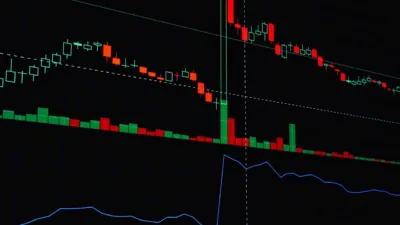
XRP, the digital currency associated with the Ripple network, is currently witnessing a significant price drop, trading at approximately $1.33—an alarming decrease of around 64% from its all-time high. Despite the completion of its development roadmap, analysts and crypto enthusiasts are left questioning why the price continues to tumble.
Current State of XRP
To contextualize this downturn, XRP reached its all-time high of approximately $3.84 in January 2018. Since then, an observable trend of volatility has surrounded the asset, characterized by sharp rises and equally drastic falls. The latest decline is particularly jarring, as positive developments in XRP's ecosystem seemed promising for future price stability. Industry pundits argue that XRP's development has matured, with its use cases expanding in cross-border payments and liquidity solutions. Yet, the market doesn't seem to reflect this growth.
The Market Dynamics
Market sentiment plays a pivotal role in cryptocurrency valuation. Several external factors are contributing to the current dip in XRP's price. Increased regulatory scrutiny of cryptocurrencies, particularly stablecoins and assets like XRP, has led to uncertainty in the market. Additionally, macroeconomic conditions—such as rising inflation rates and shifts in monetary policy—are influencing investor behavior across the board.
There’s also the question of competition. With the crypto landscape evolving rapidly, newer projects may draw both investor interest and capital away from established players like XRP. As different blockchain platforms vie for dominance in areas such as decentralized finance (DeFi) and non-fungible tokens (NFTs), XRP's established utility has not stopped other cryptocurrencies’ surges, particularly in narrative-driven investing.
Why It Matters
For Traders
For short-term traders, the current drop presents both risks and opportunities. Volatility can lead to significant gains if leveraged properly; however, traders need to exercise caution amidst the uncertainty. The shifting regulatory landscape complicates strategies reliant on market dynamics.
For Investors
For long-term investors, the question isn't just about current price action but the inherent value of XRP's technology and its potential to disrupt traditional finance. Investors must analyze whether they believe in the long-term utility of XRP and its partnerships, which could mean weathering short-term fluctuations.
For Builders
Developers working on the Ripple network or building applications on top of the XRP ledger may see this downturn as an opportunity. Lower valuations can lead to more accessible entry points for startups and innovations looking to utilize XRP’s technology. The focus should remain on building utility rather than getting diverted by short-term price movements.
In conclusion, while XRP's current price trend raises eyebrows, underlying developments continue to affirm its position in the crypto ecosystem. The key to navigating this turbulent market lies in understanding broader market dynamics, the specifics of XRP’s ongoing evolution, and how it aligns with digital asset trends.
This article is for information only and is not financial advice. Read the full disclaimer.