Apple's Hardware Subscription Program Signals Shift in Consumer Finance Models
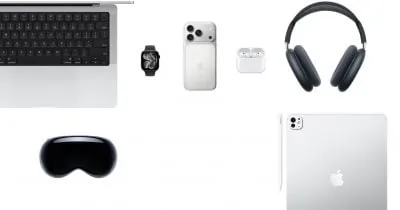
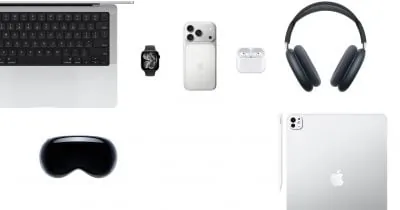
Apple launched a hardware subscription program, marking a shift toward recurring revenue models in consumer electronics. The move reflects broader trends in how consumers finance purchases and may have implications for digital asset payment systems.
Key Takeaways
- 1## Apple Shifts to Subscription Hardware Model Apple has introduced a subscription-based hardware program, allowing customers to access devices through recurring monthly payments rather than outright purchases.
- 2The program represents a departure from Apple's traditional one-time purchase model and aligns with the company's broader push toward services revenue, which has grown to represent a substantial portion of its annual earnings.
- 3## Implications for Consumer Finance The shift underscores a wider industry trend toward recurring revenue and subscription-based access across consumer goods.
- 4This model changes how consumers budget for technology purchases and may influence how they interact with payment systems, including digital currencies and stablecoins designed for regular transactions.
- 5As major consumer brands move toward subscription financing, demand for payment infrastructure capable of handling recurring, small-value transactions could increase.
Apple Shifts to Subscription Hardware Model
Apple has introduced a subscription-based hardware program, allowing customers to access devices through recurring monthly payments rather than outright purchases. The program represents a departure from Apple's traditional one-time purchase model and aligns with the company's broader push toward services revenue, which has grown to represent a substantial portion of its annual earnings.
Implications for Consumer Finance
The shift underscores a wider industry trend toward recurring revenue and subscription-based access across consumer goods. This model changes how consumers budget for technology purchases and may influence how they interact with payment systems, including digital currencies and stablecoins designed for regular transactions. As major consumer brands move toward subscription financing, demand for payment infrastructure capable of handling recurring, small-value transactions could increase.
Broader Crypto and Finance Intersections
The normalization of subscription models in hardware could accelerate adoption of blockchain-based payment rails for recurring transactions. If traditional finance continues fragmenting payment experiences across different subscription services, alternative payment networks that provide unified recurring-payment infrastructure may gain relevance. However, no direct connection between Apple's program and cryptocurrency adoption has been announced.
Why It Matters
For Traders
No direct market signal for crypto assets; macro shift toward subscription models remains an indirect tailwind for payment infrastructure if demand for recurring transactions accelerates.
For Investors
Consumer finance fragmentation across competing subscription services could create demand for unified payment systems, potentially benefiting blockchain payment networks long-term.
For Builders
Projects building recurring payment infrastructure or stablecoin rails for subscriptions should monitor enterprise adoption trends; traditional finance may validate the use case before crypto-native solutions scale.