Apple's Hardware Subscription Model Signals Shift in Consumer Finance Trends
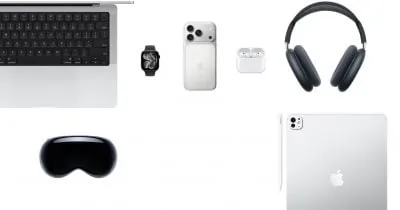
Apple has launched a hardware subscription program, reflecting a broader industry shift toward recurring revenue models. The move underscores changing consumer spending patterns that may influence how blockchain-based finance and payment protocols develop.
Written by CoinArticle’s AI Newsroom · from 1 cited source. How we work
Apple's Subscription Hardware Strategy
Apple introduced a subscription option for hardware purchases, allowing consumers to pay recurring monthly fees rather than upfront purchase prices. The program joins existing Apple services like iCloud, Apple Music, and AppleCare, expanding the company's recurring revenue footprint beyond software into physical devices.
Broader Trend Toward Recurring Models
Apple's move reflects a wider industry pivot from ownership to subscription-based consumption across consumer electronics, software, and services. Companies across hardware, automotive, and software sectors have adopted similar recurring-fee structures over the past five years, driven by predictable cash flow incentives and changing consumer tolerance for financing arrangements.
Implications for Consumer Finance
The normalization of hardware-as-a-service models reshapes baseline expectations around payment frequency and installment structures. This shift toward smaller recurring charges rather than large lump-sum purchases may influence how consumers interact with fintech, payment rails, and blockchain-based credit products as they become more accustomed to flexible payment terms.
Why It Matters
For Traders
Macro trends in consumer finance don't directly move crypto prices intraday, but normalize recurring payment infrastructure that could accelerate adoption of stablecoins and payment protocols.
For Investors
Subscription models reduce friction for consumer spending; blockchain projects offering recurring payment or subscription settlement may see stronger adoption as mainstream tech normalizes the pattern.
For Builders
Recurring-payment infrastructure on-chain (e.g., automated subscription billing over smart contracts) becomes strategically more relevant as consumer expectations shift toward frequency-based rather than lump-sum transactions.
This article is for information only and is not financial advice. Read the full disclaimer.