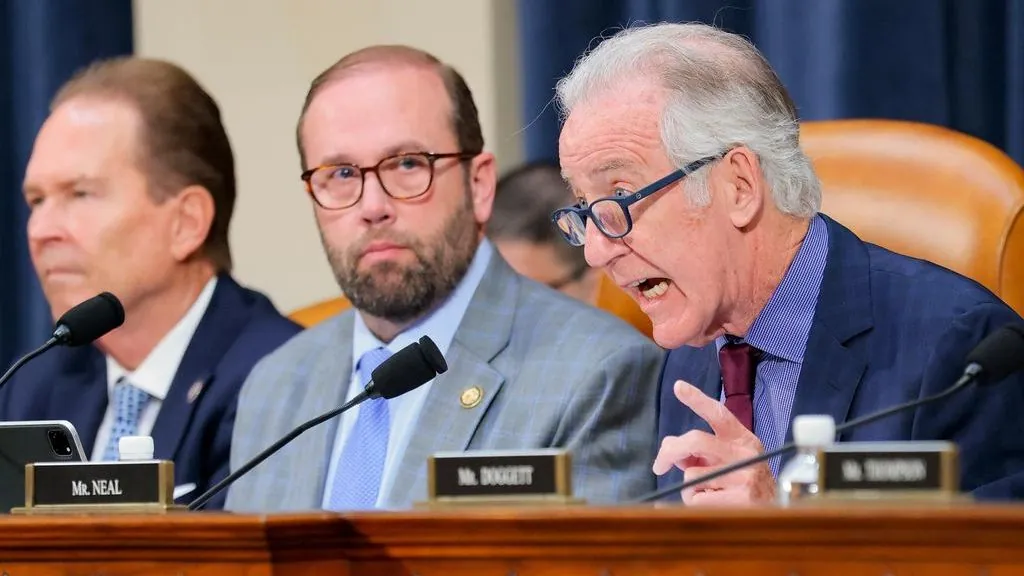
House Tax Committee Advances Digital Asset Tax Certainty Act in 38-5 Vote
The House Ways and Means Committee approved the Digital Asset Tax Certainty Act on a 38-5 vote Wednesday, advancing the first proposed federal tax framework for digital assets. The bill aims to simplify tax compliance for routine cryptocurrency transactions, though concerns over industry influence tempered support.
Written by CoinArticle’s AI Newsroom · from 2 cited sources. How we work
Committee Vote and Path Forward
The House Ways and Means Committee voted 38-5 to advance the Digital Asset Tax Certainty Act, clearing a significant hurdle in its path toward full House consideration. The bill represents the first comprehensive federal proposal to establish a coherent tax framework for cryptocurrency transactions, targeting what supporters describe as overly complicated compliance burdens for everyday users and businesses.
What the Bill Proposes
The legislation would ease tax reporting requirements for routine cryptocurrency uses, including staking rewards, airdrops, and certain trading activity that currently triggers capital gains reporting under broad IRS guidance. Proponents argue the current framework imposes unrealistic compliance costs on retail holders and small merchants, while opponents on the committee raised questions about how the measure would interact with existing securities and commodities rules.
Industry Influence and Political Context
The bill's advancement came after the collapse of the so-called Clarity Act, a separate crypto regulation proposal that failed to gain traction. Some committee members cited concerns about the cryptocurrency industry's growing political influence, particularly given Trump administration ties to major industry figures, though the 38-5 margin suggests broader bipartisan support for basic tax simplification on the substantive issue.
Why It Matters
For Traders
Clearer tax rules could reduce friction and compliance costs for active traders, though implementation details and IRS interpretation remain uncertain.
For Investors
A federal tax framework reduces regulatory fragmentation and signals congressional willingness to formalize crypto's role in the tax code, lowering long-term legal risk.
For Builders
Tax clarity removes one barrier to mainstream adoption; however, the final shape of rules will determine whether compliance tools become commoditized or remain a startup opportunity.
This article is for information only and is not financial advice. Read the full disclaimer.