Aramco Helicopter Crash in Ras Tanura Raises Critical Infrastructure Risk Questions
A helicopter carrying 14 people crashed at Saudi Aramco's Ras Tanura facility, a major global oil infrastructure hub. The incident highlights operational vulnerabilities at critical energy assets in geopolitically sensitive regions.
Written by CoinArticle’s AI Newsroom · from 1 cited source. How we work
The Incident
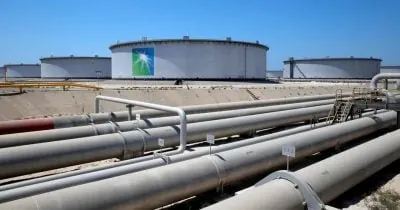
A helicopter crashed at Saudi Aramco's Ras Tanura complex in Saudi Arabia, killing all 14 people aboard. Ras Tanura is one of the world's largest crude oil stabilization and export facilities, processing and shipping crude from Saudi Arabia's eastern fields.
Infrastructure Vulnerability Context
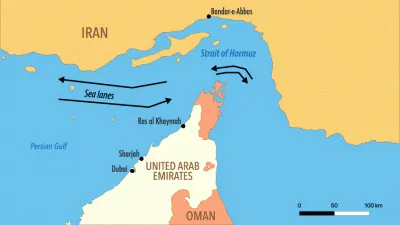
The crash underscores the exposure of critical energy infrastructure to operational and security disruptions in geopolitically sensitive regions. Disruptions to major oil facilities can ripple through global energy markets and, by extension, asset prices across commodities and correlated financial instruments. The incident occurred amid broader regional tensions and highlights the physical risks to infrastructure that underpins global economic stability.
Why It Matters
For Traders
Oil supply disruptions from critical infrastructure failures can spike WTI and Brent crude prices within hours, creating volatility in energy-correlated assets and risk-off moves.
For Investors
Repeated or prolonged disruptions to major oil export facilities raise long-term geopolitical risk premiums on energy infrastructure and sovereign debt in the region.
For Builders
Protocols building energy-market derivatives, commodities oracles, or geopolitical-risk-sensitive instruments should monitor infrastructure outages as triggering events for volatility and liquidation cascades.
This article is for information only and is not financial advice. Read the full disclaimer.