Aramco CEO Warns of 100M Barrel Weekly Loss if Strait of Hormuz Closes
Saudi Aramco's CEO warned that a prolonged closure of the Strait of Hormuz could cut global oil supply by 100 million barrels weekly and destabilize markets through 2027. The disruption would likely drive energy costs and inflation higher, with potential spillover effects into cryptocurrency markets.
Written by CoinArticle’s AI Newsroom · from 1 cited source. How we work
Oil Supply Threat
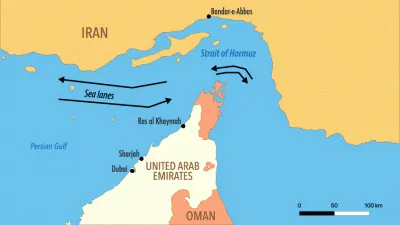
Saudi Aramco CEO Amin Nasser cautioned that an extended closure of the Strait of Hormuz—a critical chokepoint through which roughly one-third of globally traded oil passes—could eliminate 100 million barrels of weekly production from the market. The waterway between Iran and Oman carries approximately 21 million barrels per day under normal conditions, making any sustained disruption a material shock to global energy supply.
Macro Spillover to Crypto Markets
A prolonged supply crunch would likely inflate energy costs and broaden consumer price inflation, potentially constraining monetary policy options and dampening risk appetite across asset classes including cryptocurrencies. Nasser's warning suggests market disruption lasting until 2027, a multi-year horizon that would compound inflationary pressure and economic uncertainty. Higher energy prices have historically correlated with reduced liquidity in speculative markets including crypto.
Geopolitical Context
The Strait of Hormuz has faced periodic tension from regional military posturing and shipping incidents. Any blockade—whether through military action, sanctions enforcement, or accident—would force alternative routing through longer, costlier pathways and limit total throughput, leaving the global economy with no rapid supply offset.
Why It Matters
For Traders
Oil price spikes above $100 per barrel typically reduce leverage across risk markets; crypto traders should monitor geopolitical tension near the Strait as a leading indicator of broader deleveraging.
For Investors
Extended energy inflation through 2027 would pressure central banks to keep rates elevated longer, limiting upside for risk-on assets including crypto regardless of adoption progress.
For Builders
Infrastructure projects consuming significant energy—proof-of-work mining, high-throughput sequencers, data centers—would face margin compression if oil-indexed energy costs rise 20-40% and persist for years.
This article is for information only and is not financial advice. Read the full disclaimer.