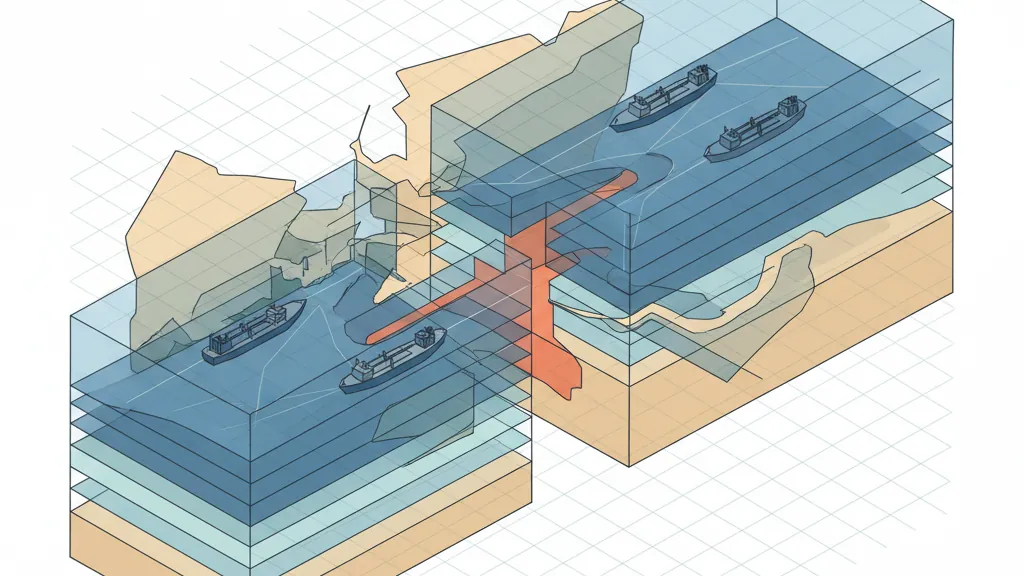
Iran Proposes Strait of Hormuz Reopening in Nuclear Talks With US
Iran has proposed reopening the Strait of Hormuz and declaring a truce as part of ongoing nuclear negotiations with the United States. The proposal, if realized, could ease regional tensions and reduce volatility in global oil markets.
Written by CoinArticle’s AI Newsroom · from 2 cited sources. How we work
Proposal Terms
Iran has tabled a proposal to reopen the Strait of Hormuz and establish a truce as part of its nuclear negotiations with the United States. The two-part offer aims to signal a shift toward de-escalation after months of heightened regional tension.
Potential Market Implications
A reopening of the Strait of Hormuz—one of the world's most critical chokepoints for oil shipment—could materially ease upward pressure on crude prices. Roughly 21% of globally traded petroleum passes through the waterway, and any disruption has historically triggered sharp spikes in energy costs. Stabilization of the shipping route could reduce geopolitical risk premiums currently embedded in oil valuations and potentially lower natural gas prices in Europe and Asia.
Diplomatic Context
The proposal emerges amid broader nuclear talks between Iran and the US. Success would mark a significant diplomatic breakthrough, though no timeline or confirmation of US acceptance has been announced. Oil market participants and macro traders monitor such negotiations closely, as geopolitical risk in the Middle East directly influences cryptocurrency volatility through its effect on traditional asset correlations.
Why It Matters
For Traders
Oil price stability from reduced Hormuz closure risk typically correlates with lower Bitcoin volatility and decreased crypto-as-hedge demand over 24-72 hours.
For Investors
Geopolitical de-escalation in the Middle East reduces macro tail risk, which often drives institutional rotation into crypto as a portfolio diversifier.
For Builders
Reduced oil price volatility and macroeconomic uncertainty lower the urgency for on-chain stablecoin and remittance infrastructure in energy-importing regions.
This article is for information only and is not financial advice. Read the full disclaimer.