Strait of Hormuz Tensions May Roil Oil Markets and Crypto Volatility
Escalating U.S.-Iran tensions in the Strait of Hormuz threaten to disrupt one of the world's most critical shipping chokepoints, potentially spiking crude prices. Geopolitical volatility of this scale historically correlates with crypto market swings as investors hedge macro risk.
Written by CoinArticle’s AI Newsroom · from 1 cited source. How we work
The Shipping Bottleneck Risk
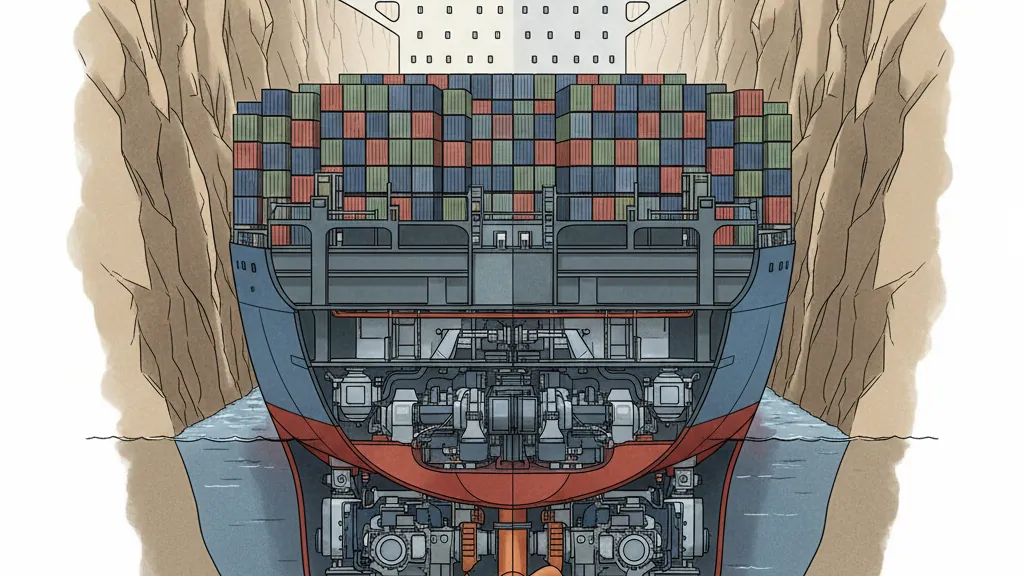
The Strait of Hormuz carries roughly 21% of global petroleum trade, making it one of the most strategically important waterways for international commerce. Heightened military posturing between Iran and the United States raises the risk of accidental or deliberate disruption to tanker traffic through the corridor. Any closure or significant slowdown would immediately constrain oil supply to global markets and raise prices.
Historical Market Precedent
Geopolitical shocks that threaten energy infrastructure have historically triggered broad asset repricing. In 2020, after a U.S. airstrike killed Iranian military commander Qasem Soleimani, crude oil spiked 4% intraday and Bitcoin rose 5% over the following week as investors sought non-correlated hedges. While crypto markets are now far larger and less prone to single-trigger swings, macro uncertainty—particularly energy-related uncertainty—has historically coincided with periods of elevated volatility across risk assets.
Immediate Market Watch
Crude oil futures are the primary real-time indicator of Strait tension. A sustained move above $85 per barrel would signal sustained market concern. Traders typically monitor Brent and WTI spreads, shipping insurance premiums (through the Baltic Dirty Tanker Index), and Fed rate expectations, as oil prices feed into inflation expectations that influence Fed policy and therefore cryptocurrency correlations.
Why It Matters
For Traders
Watch crude oil futures and VIX for directional cues; geopolitical shocks often prompt capital rotation into non-correlated assets including Bitcoin over 24-72 hours.
For Investors
Macro hedging demand historically lifts Bitcoin and Ethereum during energy-supply shocks; current positioning and Fed messaging will determine whether this spike translates to crypto inflows.
For Builders
Volatility spikes strain RPC infrastructure and cause gas-fee swings; teams should monitor mempool congestion and have contingency plans if crude-linked macro moves trigger liquidation cascades.
This article is for information only and is not financial advice. Read the full disclaimer.