ASML Raises Annual Sales Forecast on AI Chip Demand Surge
ASML, the Dutch semiconductor equipment maker, raised its annual sales guidance Tuesday, citing strong demand for advanced chipmaking tools driven by AI infrastructure buildout. The forecast increase underscores how AI adoption is reshaping capital expenditure across the semiconductor supply chain.
Written by CoinArticle’s AI Newsroom · from 1 cited source. How we work
ASML's Revised Outlook
ASML increased its 2024 sales forecast, citing accelerating orders for lithography systems used to manufacture the latest generation of AI processors. The company did not disclose the exact new target in the source material, but the revision reflects sustained appetite from chip manufacturers expanding production capacity to meet AI workload demand.
Supply Chain Implications
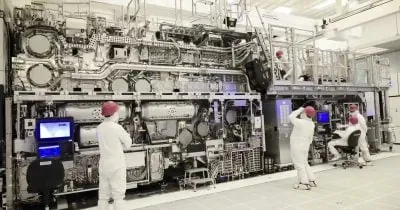
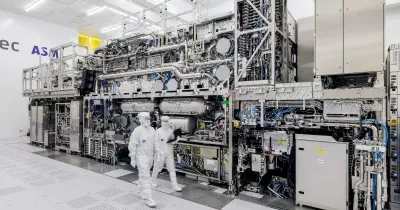
ASML's positioning at the front of the semiconductor supply chain means its guidance often signals broader capital intensity across the industry. Strong bookings for its extreme ultraviolet (EUV) systems suggest chip designers and foundries expect prolonged demand for cutting-edge process nodes. Geopolitical constraints, particularly U.S. export restrictions on advanced semiconductor technology to certain jurisdictions, add complexity to global supply chain planning but have not yet curbed overall equipment demand.
Relevance to Crypto Infrastructure
While ASML itself is not a blockchain company, its revenue surge has indirect bearing on the hardware economics underlying crypto mining and node infrastructure. Rising semiconductor costs and longer lead times for chips can increase the capital requirements for new mining operations and full-node hosting, potentially consolidating geographic advantage toward regions with cheaper power and existing chip inventory.
Why It Matters
For Traders
Semiconductor supply tightness may raise hardware costs for mining operations, affecting mining profitability and potentially increasing hash concentration among well-capitalized operators.
For Investors
Geopolitical fragmentation of chip supply chains could create structural tailwinds for Bitcoin as a store of value if computing becomes more regionalized and costly.
For Builders
Rising semiconductor lead times and costs may accelerate interest in ASIC-resistant or GPU-friendly consensus mechanisms and increase the operational expense baseline for infrastructure projects.
This article is for information only and is not financial advice. Read the full disclaimer.