Tata Electronics Partners With ASML on India's First Advanced Chip Fab
Tata Electronics and ASML announced a partnership to construct India's first advanced semiconductor fabrication plant. The venture aims to reduce India's semiconductor import dependency and strengthen its domestic chip manufacturing capacity.
Written by CoinArticle’s AI Newsroom · from 1 cited source. How we work
Partnership Details
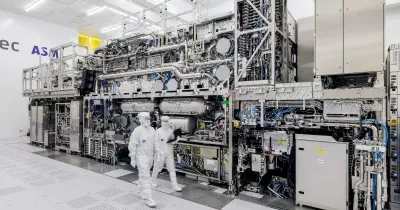
Tata Electronics, the semiconductor unit of India's largest conglomerate, partnered with ASML, the Dutch leader in chip manufacturing equipment, to build India's first state-of-the-art fabrication plant. The two companies will collaborate on design, construction, and operational planning for the facility, which is expected to employ advanced process technologies for high-volume production.
Strategic Implications
The fab addresses India's reliance on imported semiconductors, a critical vulnerability in the country's tech supply chain. Domestic chip production capacity could lower costs for Indian electronics manufacturers, reduce lead times, and position India as a regional semiconductor hub. The project also aligns with New Delhi's broader push for domestic semiconductor self-sufficiency through incentive schemes and infrastructure investment.
Broader Context
India has positioned chip manufacturing as a strategic priority in recent years, offering subsidies and tax breaks to attract foundry investment. A functioning advanced fab would reduce India's exposure to geopolitical supply-chain disruptions and create high-skilled manufacturing jobs. ASML's involvement signals confidence in India's regulatory environment and market scale.
Why It Matters
For Traders
Semiconductor equipment and materials suppliers with exposure to Indian manufacturing may see incremental capex demand, though timelines remain unclear.
For Investors
India's move toward chip self-sufficiency could reshape supply chains for tech hardware makers sourcing from or operating in the region over the next five years.
For Builders
Blockchain infrastructure and crypto hardware teams relying on chip imports may eventually benefit from lower domestic costs and faster procurement within India.
This article is for information only and is not financial advice. Read the full disclaimer.