Treasury Secretary Bessent Calls for Stronger G7 Sanctions Enforcement Against Iran
U.S. Treasury Secretary Janet Yellen's successor is pushing G7 members to maintain and strengthen sanctions enforcement against Iran to limit military funding. The push signals renewed focus on using financial compliance as a tool against state-level sanctions evasion.
Written by CoinArticle’s AI Newsroom · from 1 cited source. How we work
Bessent's G7 Pitch
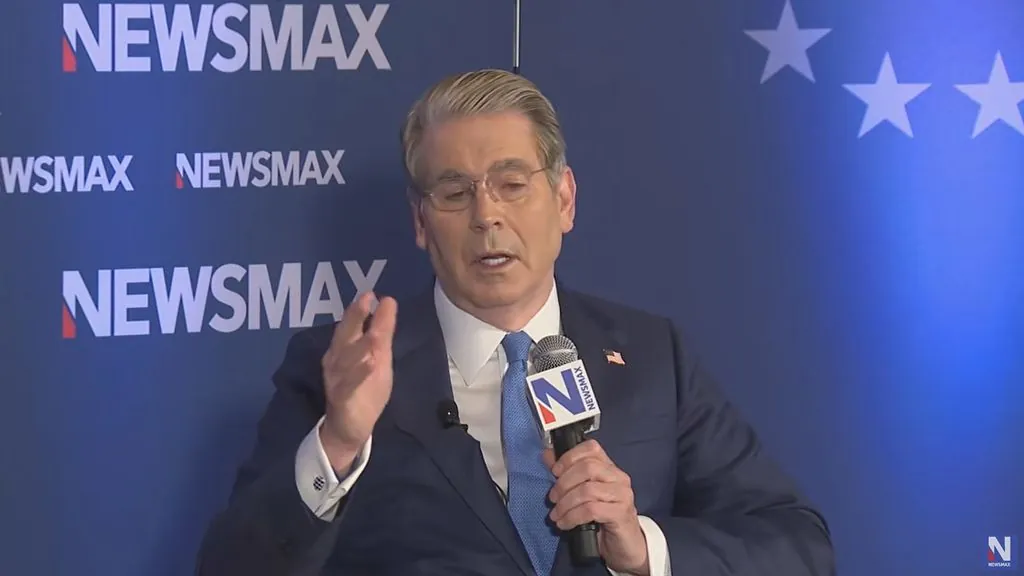
Treasury Secretary Bessent urged Group of Seven finance ministers to uphold existing sanctions against Iran and coordinate more rigorous enforcement mechanisms, according to statements made at a recent G7 meeting. Bessent framed the effort as essential to constraining Iran's access to hard currency and reducing resources available for military spending and regional proxy activities.
Financial Compliance and Sanctions Evasion
Stronger G7 coordination on sanctions enforcement typically involves real-time intelligence sharing on financial flows, pressure on correspondent banks to reject Iranian-linked transactions, and alignment on which entities and sectors remain under restriction. These mechanisms have historically forced sanctioned actors to route payments through shadow banking channels, cryptocurrency, and trade-based money laundering schemes—raising compliance costs and reducing capital efficiency.
Crypto Implications
Increased G7 focus on Iran sanctions enforcement typically creates downstream pressure on regulated crypto exchanges and custodians to implement stricter geographic and sanctions-list screening. Compliance teams across major CEXs already maintain Office of Foreign Assets Control (OFAC) blocked-address lists, but heightened G7 scrutiny can accelerate de-risking by exchanges in regions with elevated geopolitical exposure.
Why It Matters
For Traders
Expect exchanges to tighten compliance policies and potentially restrict or review accounts linked to sanctioned jurisdictions; liquidity in certain trading pairs may contract temporarily.
For Investors
Regulatory clarity around sanctions enforcement reduces systemic risk for mainstream crypto platforms, but heightened pressure on financial infrastructure could accelerate capital flight into decentralized alternatives.
For Builders
Stablecoin issuers and DEX operators should audit their sanctions screening and OFAC integration; tighter G7 enforcement increases liability exposure for non-custodial platforms that facilitate transactions involving blocked parties.
This article is for information only and is not financial advice. Read the full disclaimer.