Binance Research: $75 Billion in Illicit Crypto Remains On-Chain
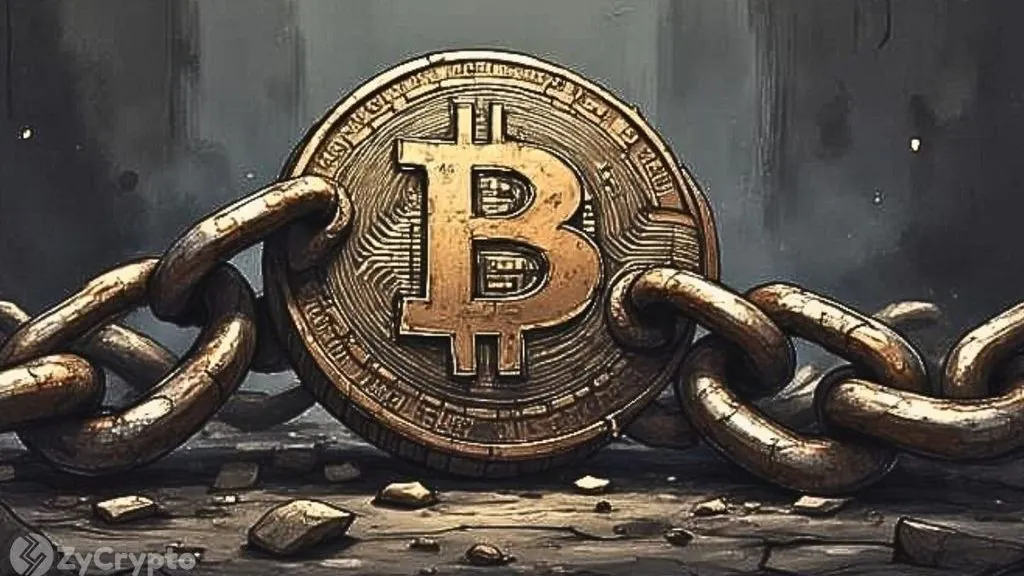
Binance Research cited Chainalysis data showing approximately $75 billion of an estimated $100 billion in illicit cryptocurrency funds remain on public blockchains. The finding underscores persistent challenges in tracking and recovering proceeds from crime and sanctions evasion.
Written by CoinArticle’s AI Newsroom · from 1 cited source. How we work
What the Data Shows
Binance Research posted analysis based on Chainalysis graph data indicating that roughly 75% of an estimated $100 billion in illicit crypto assets are still held on-chain rather than cashed out or moved to private custody. The figure encompasses funds associated with theft, ransomware, fraud, sanctions violations, and other criminal activity tracked by on-chain forensics firms.
Implications for Enforcement and Recovery
The persistence of illicit funds on public blockchains creates both an opportunity and a challenge for law enforcement. While the transparent nature of most blockchain transactions makes illicit activity traceable in principle, the sheer volume of funds and the complexity of address clustering mean that recovery or freezing of assets remains operationally difficult. The data suggests that either perpetrators have not yet liquidated stolen or sanctioned assets, or that infrastructure for converting them to fiat remains constrained by regulatory scrutiny of on-ramps.
Why It Matters
For Traders
Regulatory pressure on exchanges to block illicit addresses may increase, affecting liquidity and custodial policies on platforms where large flows are flagged.
For Investors
Persistent on-chain illicit activity creates regulatory tail risk for the sector; aggressive enforcement could trigger broader exchange compliance crackdowns.
For Builders
On-chain forensics and compliance tooling remain in high demand; this data reinforces the need for robust address labeling and transaction monitoring infrastructure.
This article is for information only and is not financial advice. Read the full disclaimer.