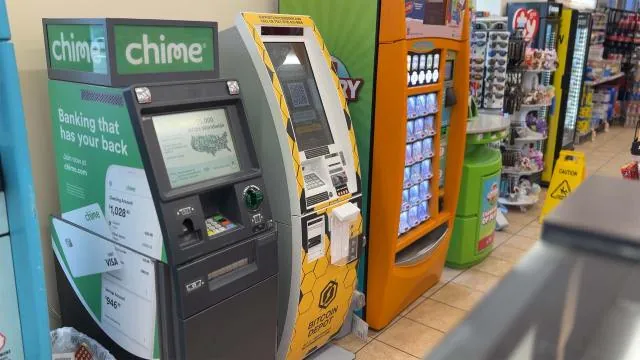
Bitcoin Depot Files for Chapter 11 Bankruptcy Amid Regulatory Pressure
Bitcoin Depot, a major cryptocurrency ATM operator, filed for Chapter 11 bankruptcy protection amid escalating regulatory compliance costs and tightening rules around crypto ATM operations. The filing underscores mounting financial strain on the ATM sector as regulators impose stricter licensing and anti-money-laundering requirements.
Written by CoinArticle’s AI Newsroom · from 1 cited source. How we work
Bankruptcy Filing and Industry Context
Bitcoin Depot filed for Chapter 11 bankruptcy, citing increasing regulatory compliance costs and tightening restrictions on cryptocurrency ATM operations as primary factors. The filing reflects broader pressure on the ATM sector, which has faced mounting licensing requirements, heightened anti-money-laundering (AML) scrutiny, and state-by-state regulatory fragmentation that raises operational costs without proportionate revenue growth.
Regulatory Headwinds Intensify
The crypto ATM industry has come under closer regulatory examination over the past two years, with states and federal agencies imposing stricter know-your-customer (KYC) and AML compliance frameworks. Many jurisdictions now require ATM operators to obtain money transmitter licenses, implement real-time transaction monitoring, and maintain detailed customer records. These compliance burdens have compressed margins for smaller and mid-sized operators, making continued operations unsustainable for some. Bitcoin Depot's bankruptcy signals that regulatory costs have outpaced the business model's ability to generate sufficient returns.
Implications for the Broader Sector
The shutdown raises questions about the long-term viability of decentralized crypto ATM networks, particularly for operators with limited scale and capital reserves. Larger competitors with deeper pockets may consolidate market share, but the sector's growth trajectory appears constrained by regulatory overhead. Customers who held funds in Bitcoin Depot accounts may face delays or losses in withdrawal processes typical of Chapter 11 proceedings.
Why It Matters
For Traders
Bitcoin Depot bankruptcy may trigger customer fund recovery delays; verify your ATM account balances and consider withdrawals from affected locations.
For Investors
Regulatory tightening is shrinking the ATM operator margin; consolidation favors incumbents with compliance infrastructure and capital reserves.
For Builders
On-ramp and off-ramp infrastructure faces rising compliance costs; protocols should assess which fiat-to-crypto solutions remain viable at scale.
This article is for information only and is not financial advice. Read the full disclaimer.