Bitcoin Exchange Supply Hits 5-Year Low: What It Means
Bitcoin held on cryptocurrency exchanges has dropped to just 2.67 million coins—its lowest level since 2019—signaling a major shift toward self-custody and long-term holding strategies. This supply constraint could reshape market liquidity, volatility, and trading dynamics across the crypto ecosystem.
Written by CoinArticle’s AI Newsroom · from 1 cited source. How we work
Key Takeaways
- 1**Institutional adoption**: Major institutions implementing cold storage best practices
- 2**Security concerns**: Heightened awareness following exchange hacks and regulatory scrutiny
- 3**Philosophical shift**: Long-term holders ("HODLers") prioritizing direct asset control
- 4**Regulatory pressure**: Increased oversight of centralized exchange operations
Bitcoin Supply on Crypto Exchanges Hits Lowest Level Since 2019
Exchange Supply Reaches Historic Low
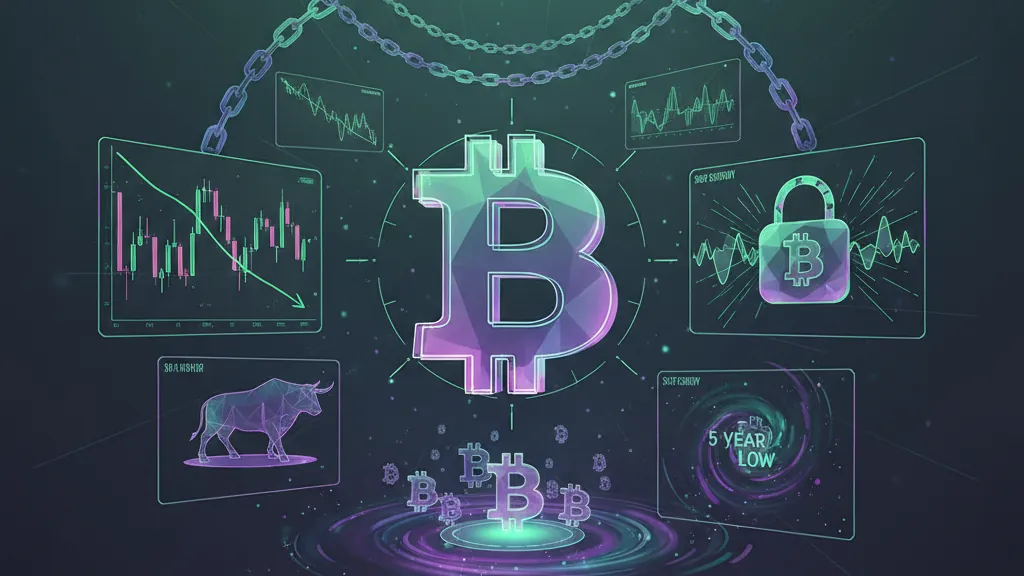
Bitcoin's availability on cryptocurrency exchanges has plummeted to its lowest level in five years, with only 2.67 million coins currently held on trading platforms. This significant decline marks a fundamental shift in how market participants are managing their digital assets, suggesting a departure from active trading patterns that dominated the crypto landscape in previous years.
The current supply level represents approximately 13% of Bitcoin's total circulating supply, underscoring just how concentrated asset holding has become outside traditional exchange infrastructure. This five-year low hasn't been witnessed since 2019, when market conditions and investor sentiment were substantially different.
The Great Exodus: Self-Custody Movement Accelerates
The dramatic reduction in exchange-held Bitcoin reflects an accelerating trend toward self-custody and long-term storage strategies. Investors are increasingly moving their holdings to personal wallets, hardware devices, and decentralized storage solutions rather than leaving assets on centralized platforms.
Several factors are driving this movement:
- Institutional adoption: Major institutions implementing cold storage best practices
- Security concerns: Heightened awareness following exchange hacks and regulatory scrutiny
- Philosophical shift: Long-term holders ("HODLers") prioritizing direct asset control
- Regulatory pressure: Increased oversight of centralized exchange operations
Market Structure Implications
The reduced supply on exchanges typically correlates with decreased liquidity and potentially wider bid-ask spreads during trading periods. This supply constraint may influence price volatility and trading volumes, as fewer coins are available for immediate purchase or sale on major platforms.
Historically, this dynamic often precedes significant price appreciation, as reduced supply combined with consistent demand can create upward pressure on asset values. However, this outcome is never guaranteed and depends on numerous macroeconomic and market factors.
Why It Matters
For Traders
Reduced exchange liquidity could result in larger slippage on significant trades and more volatile price movements during high-volume sessions. Traders must adjust position sizing and execution strategies to account for tighter liquidity conditions and wider spreads.
For Investors
The trend reinforces the critical importance of secure self-custody solutions and wallet management practices. Investors maintaining assets off-exchange should implement proper backup procedures and multi-layer security protocols to prevent loss or unauthorized access.
For Builders
Developers creating payment infrastructure, wallet solutions, and custody services face accelerating demand for user-friendly, secure alternatives to centralized exchanges. This represents both an opportunity and responsibility to deliver robust solutions that prioritize asset security and accessibility.
The Evolving Crypto Landscape
The shifting supply dynamics reveal a maturing cryptocurrency market where participants increasingly value security and long-term positioning over short-term trading opportunities. As this trend continues, exchange platforms will need to adapt their offerings to remain competitive in an evolving ecosystem that prioritizes custody optionality and decentralized solutions.
This article is for information only and is not financial advice. Read the full disclaimer.