Early Bitcoin Pizza Recipient Spent 10,000 BTC Fortune Before $1 Price
Jeremy Sturdivant, who received 10,000 Bitcoin for two pizzas in May 2010 at age 19, spent nearly all of his holdings before Bitcoin reached $1. The transaction is now worth hundreds of millions of dollars at current prices.
Written by CoinArticle’s AI Newsroom · from 1 cited source. How we work
The Pizza Transaction
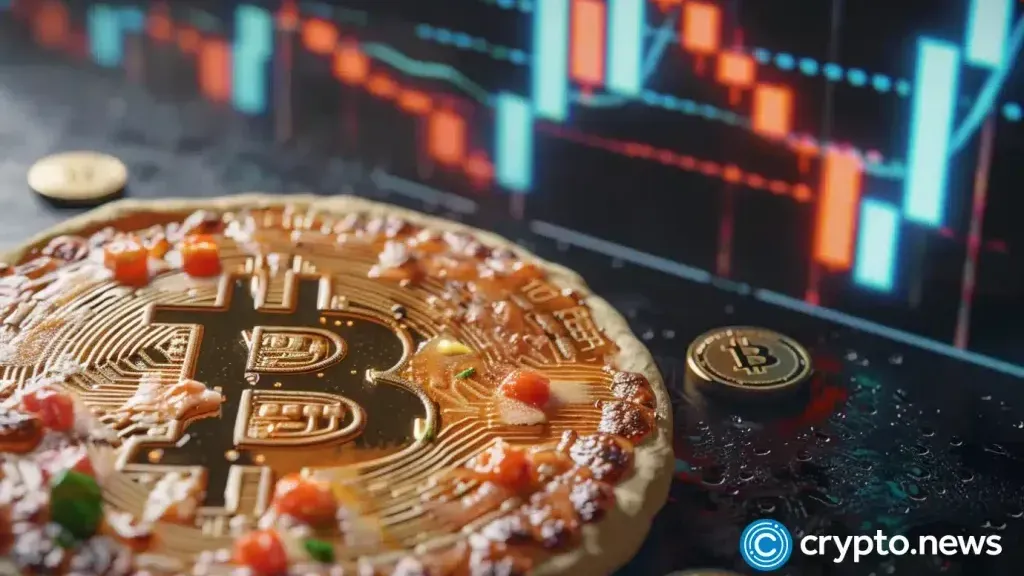
In May 2010, Sturdivant accepted 10,000 Bitcoin from programmer Laszlo Hanyecz in exchange for two pizzas, one of the earliest recorded commercial transactions using Bitcoin. Sturdivant was 19 years old at the time and active in Bitcoin communities under the handle "jercos". Bitcoin had no established price and was trading at fractions of a cent in early informal markets.
Early Liquidation
Sturdivant spent almost all of his Bitcoin holdings before Bitcoin reached $1 per coin, according to reporting on his spending habits. At current prices above $60,000 per Bitcoin, those 10,000 coins would be worth approximately $600 million. The decision to liquidate early means Sturdivant avoided any direct wealth from the asset's subsequent appreciation across more than a decade.
Historical Significance
The pizza transaction has become a touchstone in Bitcoin history, commemorated annually on May 22 as "Bitcoin Pizza Day" by the community. Hanyecz's original purchase of the pizzas for 10,000 BTC represented one of the first known examples of Bitcoin being used as a medium of exchange rather than held as a speculative asset. Both parties to the transaction have become minor historical figures in cryptocurrency lore, though for very different reasons—Hanyecz is often cited as an early believer willing to spend Bitcoin, while Sturdivant represents an early holder who missed the asset's long-term appreciation.
Why It Matters
For Traders
Historical spending patterns of early Bitcoin holders illustrate the asset's poor price discovery and lack of liquidity in its first years, context for understanding current market structure.
For Investors
Early holders' decisions to liquidate at minimal gains underscore the speculative uncertainty and lack of institutional confidence in Bitcoin's value in its first years of existence.
For Builders
The pizza transaction demonstrates Bitcoin's original intended use as a payment mechanism, contrasting with its modern role as a store-of-value asset with minimal transaction volume relative to its market cap.
This article is for information only and is not financial advice. Read the full disclaimer.