CBDC Ban Embedded in Housing Bill Faces Trump's 10-Day Decision
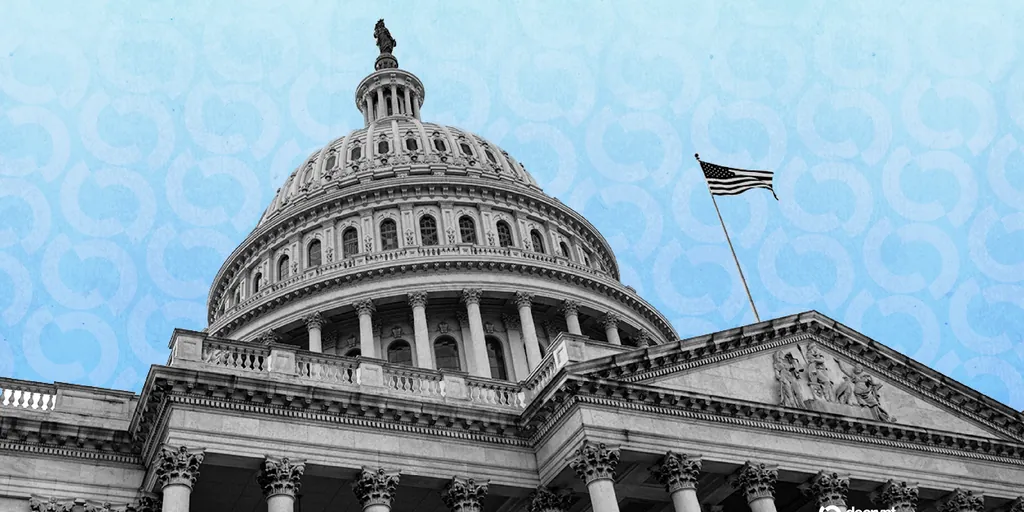
A bipartisan housing bill containing a provision to block Federal Reserve CBDC issuance through 2030 is pending President Trump's signature or veto, with a 10-day statutory window to act. The CBDC restriction has advanced alongside broader housing legislation as Trump navigates competing legislative priorities.
Written by CoinArticle’s AI Newsroom · from 1 cited source. How we work
The Pending Legislation
Congress passed a bipartisan housing bill that includes a clause prohibiting the Federal Reserve from issuing a central bank digital currency until at least 2030. Trump has 10 days from passage to sign or veto the measure. The timeline coincides with Trump's stated focus on advancing a separate voting bill, creating competing demands on his legislative bandwidth.
The CBDC Provision
The CBDC ban does not establish a blanket prohibition on digital assets or blockchain development. It specifically restricts Fed action on issuing a CBDC without explicit congressional authorization. The 2030 sunset mirrors similar cooling-off periods Congress has used in other regulatory areas where lawmakers want to signal caution while preserving future legislative flexibility.
What Happens Next
If Trump signs the bill, the CBDC restriction becomes law. If he vetoes it, the bill returns to Congress, where supporters would need a two-thirds majority in both chambers to override. If Trump takes no action within 10 days, the bill becomes law automatically unless Congress adjourns, which would result in a pocket veto.
Why It Matters
For Traders
A signed bill removes near-term CBDC launch risk from Fed policy expectations, potentially stabilizing longer-duration crypto holdings that hedge CBDC scenarios.
For Investors
Legislative gridlock on CBDCs extends the window for private stablecoins and blockchain-based payments to establish market share without Fed competition.
For Builders
A statutory CBDC ban through 2030 provides regulatory clarity for stablecoin projects and payments infrastructure, reducing policy uncertainty over a multi-year horizon.
This article is for information only and is not financial advice. Read the full disclaimer.