China Calls for Iran Ceasefire as Regional Tensions Weigh on Risk Assets
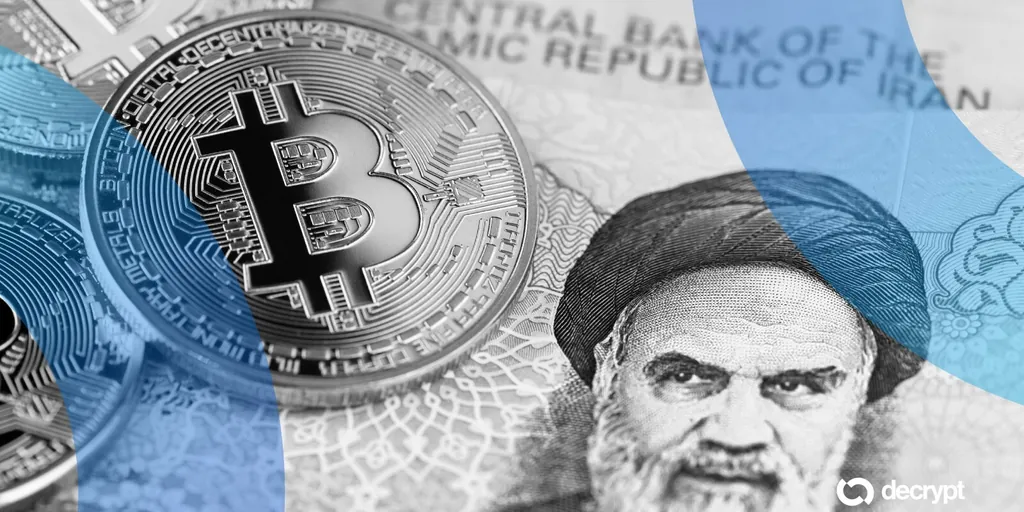
China has urged the continuation of ceasefire negotiations between Iran and regional parties as talks stalled, signaling Beijing's effort to contain Middle East tensions. Geopolitical friction typically correlates with flight-to-safety flows that can redirect capital from riskier crypto assets to traditional safe havens.
Written by CoinArticle’s AI Newsroom · from 1 cited source. How we work
Diplomatic Push Amid Stalled Talks
China has called for all parties to maintain ceasefire negotiations with Iran as diplomatic efforts have stalled, according to reporting from Crypto Briefing. The statement underscores Beijing's position as a key regional stakeholder seeking to prevent escalation in a strategically critical area of the world.
Market Implications
Regional instability typically triggers flight-to-safety dynamics in financial markets, including crypto. During periods of geopolitical tension, risk appetite tends to compress, and investors reallocate capital toward perceived safe havens like U.S. Treasuries, gold, and stablecoins. Historically, volatility in oil prices and shipping routes correlates with broader asset sell-offs, including in crypto markets.
China's willingness to broker or maintain ceasefire talks may help contain escalation risk, though the lack of concrete progress in negotiations remains a source of uncertainty for market participants monitoring geopolitical tail risks.
Why It Matters
For Traders
Regional geopolitical friction can trigger sharp moves in oil prices and risk-off flows that cascade into crypto volatility; monitor crude and equity indices for early signals.
For Investors
Sustained Middle East tensions historically compress risk appetite and redirect capital toward traditional safe havens, potentially dampening crypto's attractiveness relative to bonds and commodities.
For Builders
Macro volatility driven by geopolitics can spike demand for stablecoins and decentralized settlement layers that operate independent of traditional financial infrastructure.
This article is for information only and is not financial advice. Read the full disclaimer.