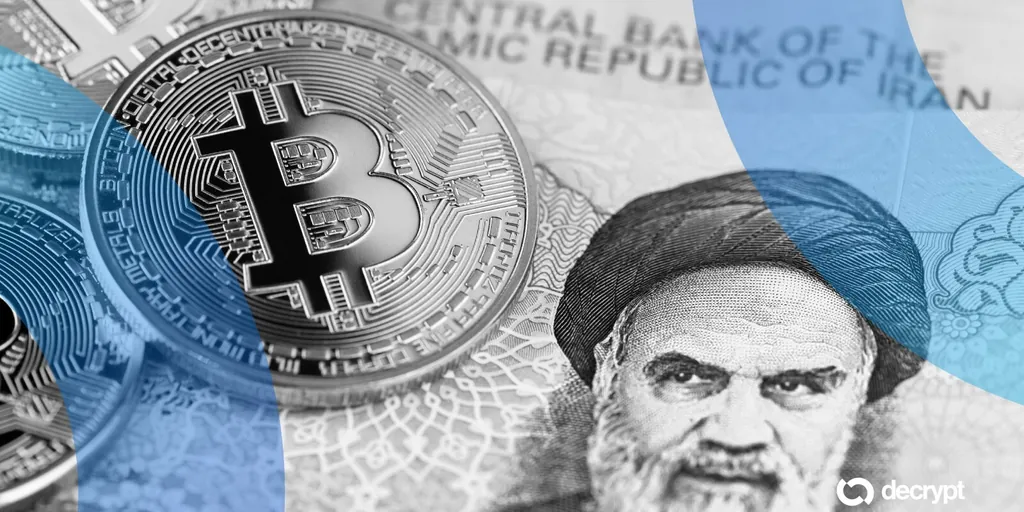
Iran Military Tensions in Persian Gulf May Affect Crypto Market Risk Premium
Escalating U.S.-Iran military posturing in the Persian Gulf raises geopolitical risk premiums across markets. Crypto traders typically treat such tensions as macro tail-risk events that can trigger flight-to-safety behavior in volatile assets.
Written by CoinArticle’s AI Newsroom · from 1 cited source. How we work
Geopolitical Backdrop
Iranian military forces have increased their presence in the Persian Gulf amid broader U.S.-Iran tensions, according to reporting on directives from Iran's Supreme Leader. The escalation follows what Iranian officials characterize as a U.S. naval blockade in the strategic waterway, a region through which roughly 20% of global oil shipments transit.
Historical Crypto Reaction to Regional Conflict
Crypto markets have historically treated Persian Gulf tensions as macro risk events. During prior periods of U.S.-Iran military escalation—such as the January 2020 strike on Qasem Soleimani—Bitcoin and other risk assets initially fell as traders fled to cash and bonds, though the effect typically lasted days rather than weeks. Oil price spikes are the primary transmission mechanism; sustained crude increases above $90 per barrel have historically coincided with crypto downside as inflation concerns and tighter monetary policy expectations weigh on growth-sensitive assets.
No Direct Crypto Implications Yet
There is no reporting of sanctions targeting crypto exchanges, blockchain infrastructure, or digital asset custody in Iran or the Gulf region. If military tensions escalate to direct conflict, however, broader financial market disruption—including higher volatility in crypto—would likely follow.
Why It Matters
For Traders
Risk-off macro events can trigger 3-7% intraday volatility in Bitcoin and Ethereum; monitor oil futures and VIX for early warning signals.
For Investors
Geopolitical tail risk has historically compressed valuations for growth assets; multi-month holders should stress-test portfolios for oil shock scenarios.
For Builders
Cross-border payment and remittance protocols operating in the region face potential disruption if sanctions regimes tighten; no immediate protocol-level changes needed.
This article is for information only and is not financial advice. Read the full disclaimer.