China's Largest ETF Converts to Gold Fund From Stock Index
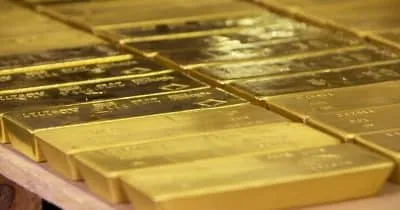
China's largest exchange-traded fund has shifted its underlying asset base from a stock index to physical gold, reflecting investor repositioning amid economic uncertainty. The move signals broader shifts in Chinese capital allocation and may influence global precious metals demand.
Written by CoinArticle’s AI Newsroom · from 1 cited source. How we work
Asset Reallocation Reflects Economic Concerns
China's largest ETF has transitioned from tracking a domestic stock index to holding physical gold, marking a significant shift in how the country's retail and institutional investors are positioning capital. The conversion reflects growing caution about equity valuations and economic growth prospects, with gold historically serving as a hedge against currency debasement and macroeconomic instability.
Implications for Chinese Markets and Gold Demand
The reallocation of what was the nation's largest equity tracking vehicle into a precious metals fund signals weakening confidence in Chinese equities at a time when the Shanghai Composite Index and other domestic benchmarks have faced sustained pressure. On-the-ground demand for physical gold through ETFs typically translates to purchases from domestic refineries and international spot markets, potentially supporting global gold prices in the near term. The shift also underscores how Chinese policymakers' recent economic stimulus measures—despite announcements of rate cuts and liquidity provisions—have not restored sufficient investor appetite for equity exposure.
Why It Matters
For Traders
Gold spot prices may see support from sustained inflows into Chinese ETFs, particularly if the trend accelerates across other large regional funds.
For Investors
The reallocation signals institutional and retail wariness about Chinese equity valuations; multi-month investors should monitor other regional ETF composition shifts as a leading indicator.
For Builders
Stablecoin and DeFi protocols tracking commodities or offering gold-backed instruments may see renewed interest as traditional vehicles reallocate into hard assets.
This article is for information only and is not financial advice. Read the full disclaimer.