Chrome Removes Privacy Disclosure as AI Model Installation Expands
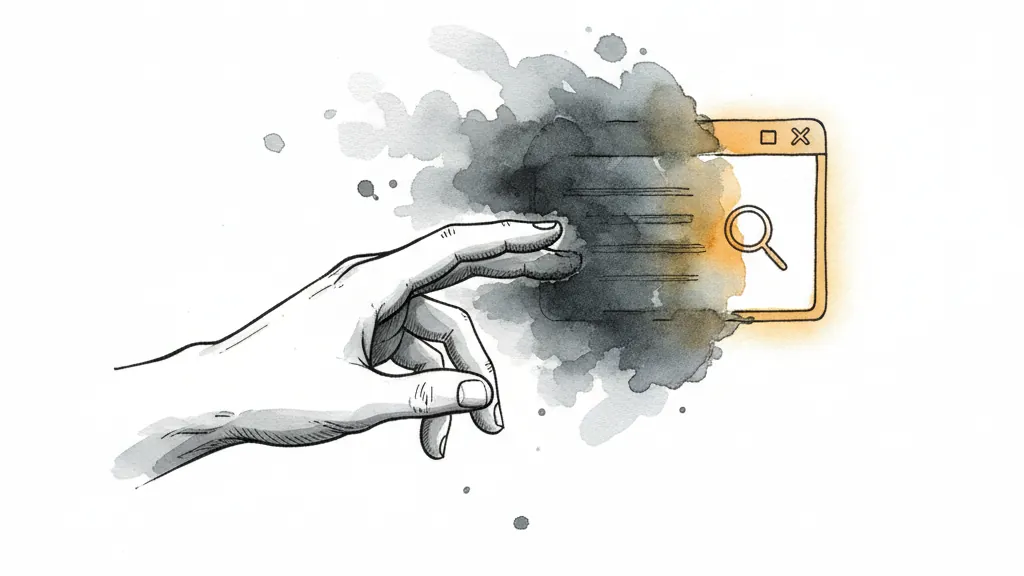
Google's latest Chrome version has deleted a privacy notice that promised to keep user data off Google's servers while installing a 4GB on-device AI model. The removal of the disclosure raises questions about data handling practices as the feature rolls out more widely.
Written by CoinArticle’s AI Newsroom · from 1 cited source. How we work
Privacy Disclosure Removed
Chrome's most recent update removed language from its privacy documentation that explicitly stated user data would remain on-device during AI operations and would not be sent to Google's servers. The deletion coincides with the expanded distribution of a 4GB machine-learning model installed locally on users' devices. Chrome users have not been prominently notified of the model's installation or the removal of the privacy commitment.
What the On-Device AI Does
The on-device model enables AI-powered features within the browser. By running inference locally rather than on Google's infrastructure, the tool theoretically processes information without transmitting raw user data to external servers. However, the removal of the explicit privacy promise introduces ambiguity about what data, if any, may be collected or sent once processing completes.
Transparency Questions
The undisclosed removal of a privacy guarantee while expanding AI feature deployment contradicts standard practice for user-facing privacy commitments. Established tech firms typically maintain or update privacy documentation prominently when altering data handling practices, particularly around emerging technologies. The deletion was not announced in Chrome's official release notes or privacy blog.
Why It Matters
For Traders
No direct market implication; Google's core business is not a tradable spot asset in this context, though sentiment around big-tech surveillance practices may influence crypto adoption momentum.
For Investors
Renewed privacy erosion by centralized platforms strengthens the narrative case for decentralized and privacy-preserving alternatives, a long-term tailwind for crypto infrastructure.
For Builders
Browser-based crypto wallets and dApps face renewed pressure to implement stronger client-side privacy measures; on-device encryption and zero-knowledge proofs become more competitive.
This article is for information only and is not financial advice. Read the full disclaimer.