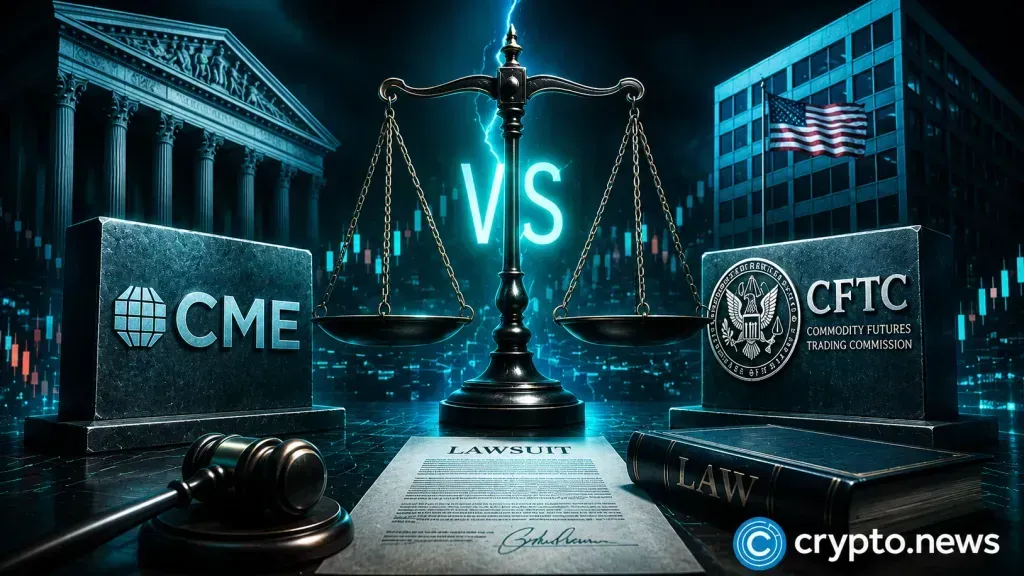
CME Group Launches 24/7 Crypto Futures Trading, Ends Weekend Gap
CME Group began offering round-the-clock cryptocurrency futures trading, eliminating the weekend closure that previously created pricing discontinuities known as the CME gap. The move reflects institutional demand for continuous market access and aligns traditional futures venues with spot crypto markets.
Written by CoinArticle’s AI Newsroom · from 1 cited source. How we work
Around-the-Clock Trading Now Live
CME Group has extended its cryptocurrency futures offerings to operate 24 hours a day, seven days a week, according to the exchange. The change eliminates the prior Sunday evening gap when markets closed, which previously created Monday-morning price dislocations between spot and futures prices—a phenomenon traders referred to as the CME gap.
Why Institutions Pushed for Continuous Hours
Institutional traders and asset managers have long cited the weekend closure as a competitive disadvantage relative to spot cryptocurrency markets, which trade continuously across global venues. Extended hours reduce overnight risk concentration and allow portfolio managers to adjust positions in real time without waiting for Monday's market open. The shift also narrows arbitrage windows between CME futures and spot exchanges, potentially lowering transaction costs for large traders.
Trade-offs and Limitations
Round-the-clock trading on a centralized futures exchange does not fully replicate the liquidity profile of 24/7 spot markets. Overnight and weekend volumes on CME are historically lighter than daytime sessions, and bid-ask spreads may widen during low-activity windows. Traders should expect reduced liquidity during periods when U.S. markets are closed, particularly on weekends and holidays.
Why It Matters
For Traders
Weekend arbitrage between spot and futures is compressed; position holders can now hedge exposure overnight without gap risk, though liquidity may be thinner outside U.S. hours.
For Investors
Institutional allocation to crypto becomes simpler when a major regulated futures venue eliminates operational downtime; reduces tail-risk event likelihood from weekend news.
For Builders
Continuous CME pricing feed enables derivative protocols to stay anchored to institutional benchmarks without multi-hour staleness; oracle designs can update less conservatively.
This article is for information only and is not financial advice. Read the full disclaimer.