Coinbase Urges Senate to Loosen Manipulation Test for Token Listings
Coinbase, Kraken, and Gemini are lobbying Senate Agriculture Committee leaders to remove a "not readily susceptible to manipulation" standard from a digital asset bill. The exchanges argue the test would effectively bar small-cap tokens from U.S. regulated venues.
Written by CoinArticle’s AI Newsroom · from 1 cited source. How we work
The Lobbying Push
Coinbase, Kraken, and Gemini have pressed Senate Agriculture Committee leadership to strike a "not readily susceptible to manipulation" requirement from pending digital asset legislation. The three exchanges contend the standard, as written, would functionally prohibit listing of lower-liquidity tokens on regulated U.S. platforms, concentrating trading on unregulated offshore venues instead.
The Stated Risk
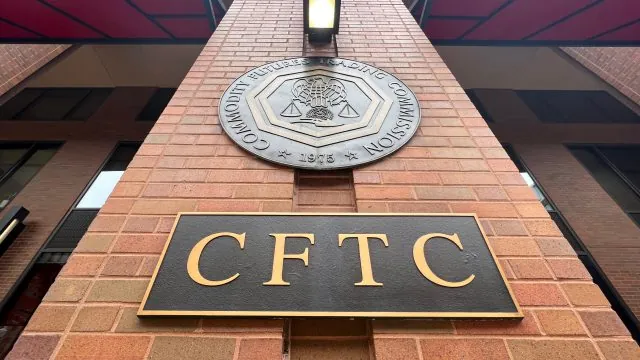
The exchanges warn that applying a manipulation-susceptibility test to small-cap tokens creates an undefined compliance barrier for issuers and exchanges alike. No methodology currently exists to measure or certify that an asset meets the threshold, leaving listings vulnerable to regulatory challenge. The concern mirrors earlier CFTC guidance on what constitutes adequate surveillance-sharing agreements for derivatives — a standard that took years to codify and remains unevenly applied across different product types.
Regulatory Context
The proposed language would give the CFTC primary authority to define what qualifies as "not readily susceptible to manipulation" for tokens traded as commodities. The Agriculture Committee has been drafting comprehensive digital asset legislation that would clarify CFTC and SEC jurisdiction and establish a framework for spot trading of digital assets. Removing the manipulation test from the bill would shift the regulatory bar closer to existing commodities markets, where physical or derivative trading volume alone typically suffices for exchange listing approval.
Why It Matters
For Traders
Regulatory clarity on which tokens can trade on U.S. venues affects liquidity fragmentation; loosening the test could concentrate volume back to domestic exchanges.
For Investors
A clearer manipulation standard for small-cap tokens lowers compliance friction and may broaden the addressable market for emerging layer-1 and layer-2 projects.
For Builders
Protocol teams seeking U.S. exchange listings should monitor whether the manipulation test is retained, tightened, or removed—it directly shapes which venues will list your token.
This article is for information only and is not financial advice. Read the full disclaimer.