Crypto Firms Unite Against US Bank's Stablecoin Yield Lobbying Efforts
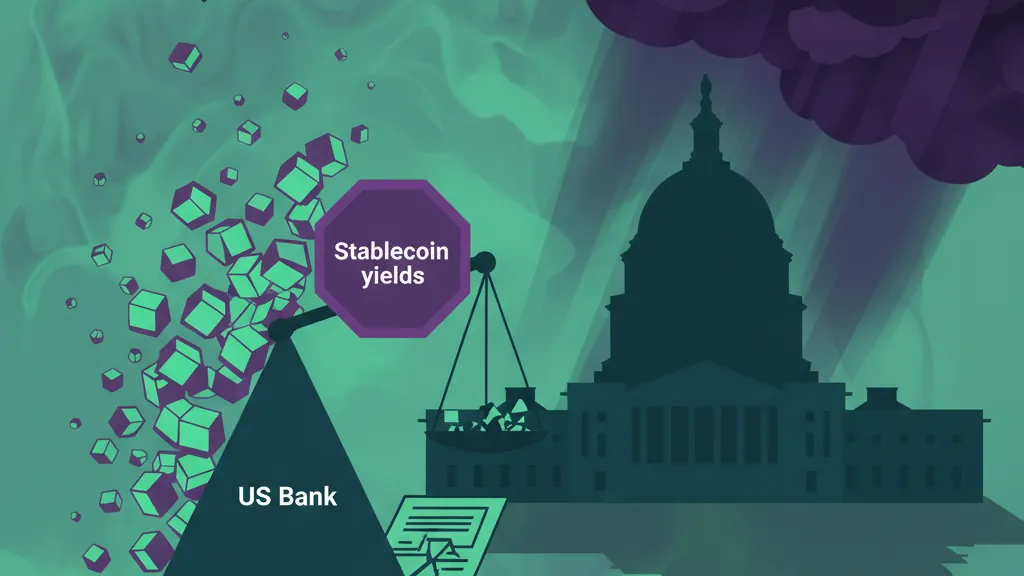
As hundreds of crypto companies rally against US Bank's efforts to ban stablecoin yields, the regulatory battle intensifies. This standoff underscores the shifting dynamics between traditional banks and the burgeoning digital asset sector.
Written by CoinArticle’s AI Newsroom · from 1 cited source. How we work
Industry Pushback Against Banking Lobby
Hundreds of cryptocurrency companies have united in opposition to lobbying efforts by US Bank aimed at prohibiting yields on stablecoins, marking a significant escalation in the ongoing tension between traditional financial institutions and the digital asset sector.
The dispute has now reached Congress, with crypto industry leaders making direct appeals to lawmakers regarding the matter. This development represents a critical juncture in the regulatory debate surrounding stablecoin functionality and the competitive landscape between traditional banking and cryptocurrency services.
The Core Dispute
At the heart of the controversy lies US Bank's campaign to ban stablecoin yields—a feature that has become increasingly popular among crypto users. Stablecoins, which are digital assets pegged to traditional currencies like the US dollar, often offer yield-generating opportunities to holders through various decentralized finance (DeFi) protocols and centralized platforms.
Traditional banks view these yield-bearing stablecoins as direct competition to their deposit products, while crypto firms affirm they represent innovation in financial services accessibility.
Regulatory Certainty Concerns
Crypto industry leaders have raised significant concerns about the potential consequences of US Bank's lobbying efforts. Their primary argument centers on regulatory certainty—a crucial factor for business planning and investment in the sector.
According to the crypto firms' position, reopening existing laws to accommodate the banking sector's requests would undermine the regulatory framework that companies have been operating under. This uncertainty could disrupt business models, investor confidence, and ongoing compliance efforts across the industry.
Implications for the Market
The outcome of this dispute could have far-reaching consequences for both the cryptocurrency and traditional banking sectors. If US Bank's lobbying succeeds, it could fundamentally alter how stablecoin issuers and platforms operate, potentially eliminating a key value proposition that has attracted millions of users to digital assets.
Conversely, maintaining the status quo would preserve the current competitive dynamic, where crypto platforms can offer yield opportunities that often exceed traditional bank deposit rates.
Conclusion
As this dispute moves through Congressional channels, it highlights the broader struggle between legacy financial institutions and emerging crypto businesses for market share and regulatory favor. The resolution will likely set important precedents for how traditional and digital finance coexist in the evolving financial landscape.
Why It Matters
For Traders
Understanding the regulatory landscape is crucial, as changes could directly affect market volatility and trading strategies based on stablecoin yields.
For Investors
The outcome of this lobbying effort could influence investment decisions, particularly for those focused on stablecoin-related projects and the broader crypto market.
For Builders
Developers should be aware of the potential regulatory shifts, as compliance requirements may change, impacting how new crypto products are designed and deployed.
This article is for information only and is not financial advice. Read the full disclaimer.