Crypto Markets Steady as Russia-Ukraine Conflict Escalates
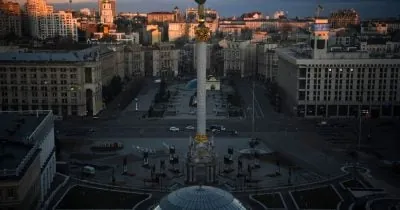
Russia conducted its largest ballistic missile attack on Kyiv as the conflict continues. Cryptocurrency markets showed little reaction to the geopolitical development, with major assets holding steady.
Written by CoinArticle’s AI Newsroom · from 1 cited source. How we work
Geopolitical Tensions Persist
Russia launched its largest ballistic missile attack on Kyiv, marking an escalation in the ongoing conflict. The strike underscores continued military activity in the region with no immediate signs of de-escalation.
Crypto Markets Show Stability
Cryptocurrency markets remained largely unmoved by the development. Bitcoin, Ethereum, and other major assets traded within their typical daily ranges, suggesting traders are not currently repricing geopolitical risk into digital asset valuations. Historical patterns show crypto markets often react more sharply to financial sector disruptions or direct sanctions on crypto infrastructure than to regional military activity alone.
Longer-Term Risk Factors
While immediate market impact was muted, prolonged geopolitical uncertainty can influence broader macro conditions including energy prices, inflation expectations, and central bank policy — factors that indirectly affect crypto sentiment. Traders monitoring exposure to European assets or ruble-denominated trading pairs face continued headline risk.
Why It Matters
For Traders
No immediate volatility spike suggests the market is already pricing in baseline geopolitical risk; watch for correlation with energy and equity futures rather than direct crypto reaction.
For Investors
Prolonged regional conflict can tighten monetary policy globally and reduce risk appetite, both headwinds for speculative assets over a 3-12 month horizon.
For Builders
Infrastructure teams with servers or operations in Eastern Europe should audit disaster recovery and geographic redundancy plans.
This article is for information only and is not financial advice. Read the full disclaimer.