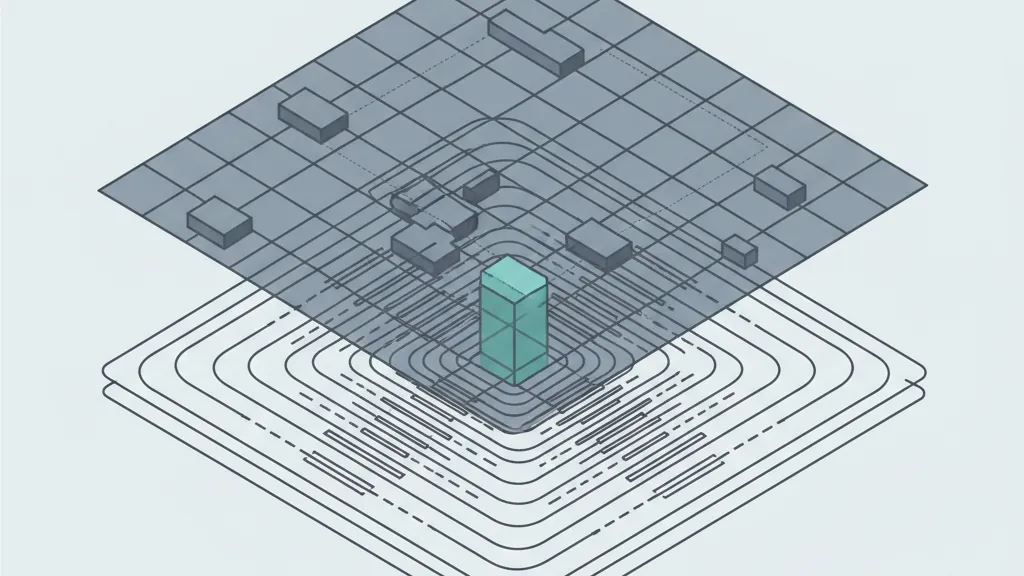
Cryptohopper MCP Can Stack With On-Chain Data Tools for Broader Market View
Cryptohopper's Market Data MCP, commonly used in isolation, can be combined with on-chain data tools to provide traders with a more complete market picture. Stacking MCPs enables cross-system analysis that integrates both exchange-level and blockchain-level information.
Written by CoinArticle’s AI Newsroom · from 1 cited source. How we work
What MCPs Are and Why They Stack
Model Context Protocols (MCPs) are modular tools that extend AI chatbot functionality with real-world data. Cryptohopper's Market Data MCP connects users to exchange pricing, volume, and order-book data. Alone, it provides a functional trading companion. When layered with on-chain data MCPs—tools that query blockchain activity like transaction flows, wallet concentrations, or smart-contract interactions—the combination offers both market-level and network-level signals in a single interface.
This stacking approach lets traders cross-reference price action with on-chain behavior without switching between separate dashboards or data providers. A rising price paired with falling active addresses, for example, could signal buying pressure from fewer holders—a potential warning signal that typically requires manual correlation across multiple tools.
Practical Integration Patterns
The technique works because MCPs communicate through standardized protocols. A user can query Cryptohopper for a token's 24-hour volume and price, then immediately ask an on-chain MCP for the same period's unique transaction count or exchange inflows without losing context. The AI assistant preserves both data streams and can highlight divergences or confirmations across them.
Most traders begin with a single MCP for simplicity. Stacking adds complexity but rewards analysts who want faster synthesis across market domains. No code changes are required; MCPs handle the integration layer beneath the chat interface.
Adoption and Limitations
Cryptohopper has documented the Market Data MCP integration in its public documentation, but guidance on multi-MCP stacking remains limited. Most end users are unaware the architecture supports it. Latency and API rate limits from multiple simultaneous data providers can become a bottleneck for high-frequency queries, and not all on-chain MCPs maintain the same uptime reliability as established market-data feeds.
Why It Matters
For Traders
Stacking MCPs reduces the time spent cross-checking exchange data against on-chain signals, but rate limits and latency mean it is more suitable for intraday research than millisecond-level decision-making.
For Investors
Multi-source MCPs could lower barriers for retail investors to perform the kind of chain-data correlation that previously required professional-grade analytics infrastructure.
For Builders
This pattern demonstrates demand for standardized protocol composition in crypto tooling; builders shipping new data MCPs should prioritize seamless interoperability with existing feeds.
This article is for information only and is not financial advice. Read the full disclaimer.