Trump's Iran Diplomacy Shift Raises Questions on U.S. Policy Direction
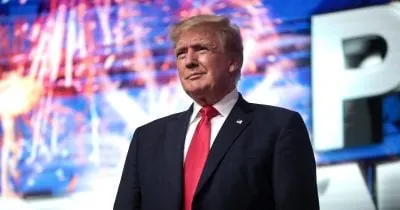
Former President Trump's reported shift toward lower-profile Iran negotiations has sparked debate among U.S. policymakers about the trajectory of diplomatic efforts. The approach may delay comprehensive resolution and affect broader assessments of geopolitical risk, which historically influences crypto market sentiment.
Written by CoinArticle’s AI Newsroom · from 1 cited source. How we work
Policy Shift Under Scrutiny
Trump's reported move to downgrade the public profile of U.S.-Iran talks has drawn criticism from lawmakers and foreign policy analysts who argue the approach signals a retreat from earlier diplomatic commitments. The shift contrasts with prior years of high-visibility negotiations and may indicate a longer timeline for any comprehensive agreement between Washington and Tehran.
Geopolitical Implications
Experts say the lower-key posture could prolong regional uncertainty, a factor that historically correlates with demand for alternative assets and hedges. Market confidence in diplomatic resolutions typically affects risk appetite in broader financial markets, including cryptocurrency. Previous periods of U.S.-Iran tensions have coincided with spikes in safe-haven demand and elevated volatility across asset classes.
Why It Matters
For Traders
Sustained geopolitical tension may support safe-haven demand for Bitcoin and stablecoins; watch for volatility spikes if diplomatic efforts formally stall.
For Investors
Prolonged U.S.-Iran uncertainty could extend the risk-off environment that typically lifts crypto allocations as portfolio hedges.
For Builders
Stablecoin platforms serving cross-border commerce may see increased demand if traditional diplomatic and trade channels remain constrained.
This article is for information only and is not financial advice. Read the full disclaimer.