DAOs: Navigating Governance Challenges Headed into 2025
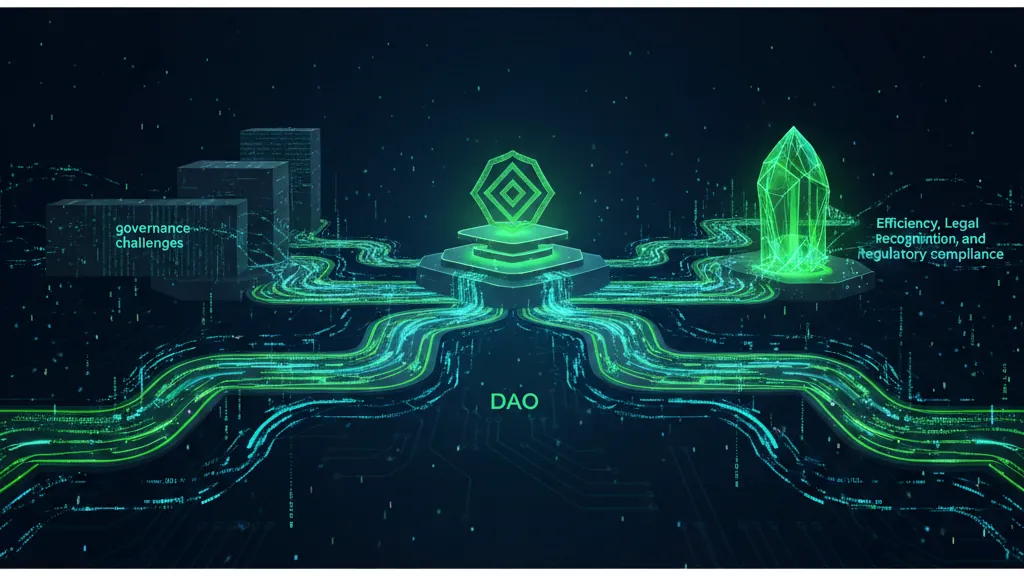
As Decentralized Autonomous Organizations (DAOs) enter 2025, they face critical governance challenges regarding efficiency, legal recognition, and regulatory compliance. This article explores the tensions within DAO structures and the innovative hybrid models that may offer paths forward.
Written by CoinArticle’s AI Newsroom · from 1 cited source. How we work
The Governance Challenge Ahead
Decentralized Autonomous Organizations (DAOs) stand at a pivotal crossroads as 2025 approaches. These blockchain-based entities, regarded as alternative governance structures within the crypto ecosystem, are poised to encounter significant operational and regulatory obstacles that could dictate their long-term viability.
The Decentralization-Efficiency Paradox
DAOs grapple with a fundamental contradiction: the need to uphold their core principle of decentralization while striving for operational efficiency. The traditional DAO model, which distributes decision-making power among token holders, often leads to protracted consensus-building processes and implementation delays. As these organizations evolve and manage increasingly substantial treasuries alongside complex operations, the urgency to enhance decision-making efficiency has intensified.
This balancing act is becoming one of the most pressing challenges for DAO stakeholders and developers. Purely decentralized governance, while idealistic, can hinder a swift response to market dynamics or urgent operational needs.
The Push for Legal Recognition
A critical area of focus for DAOs in 2025 will involve navigating the murky waters of legal status and regulatory compliance. The majority of jurisdictions lack clear frameworks for recognizing DAOs as legal entities, generating uncertainty regarding liability, taxation, and contractual obligations. This legal ambiguity has stymied many DAOs from pursuing traditional business activities and partnerships.
The lack of regulatory clarity poses significant risks for DAO participants, who may encounter unexpected legal liabilities, and limits these organizations' abilities to integrate with conventional financial and business ecosystems.
Hybrid Governance Models Emerge
To address these challenges, hybrid governance models are gaining traction within the DAO community. These frameworks strive to merge decentralized decision-making for strategic initiatives with more centralized or delegated authority for operational tasks. Such approaches may involve appointed councils, specialized committees, or tiered voting systems that enable both community input and efficient execution.
Regulatory Landscape
Regulatory challenges are a formidable concern for DAOs as they head into 2025. As governments worldwide formulate crypto-specific regulations, DAOs must navigate compliance frameworks designed for traditional organizations. Issues ranging from securities laws to anti-money laundering requirements continuously complicate the operational landscape for these innovative structures.
Looking Forward
The upcoming year is poised to be transformative for DAOs as they endeavor to resolve prevailing governance tensions. Their success in formulating pragmatic solutions to the decentralization-efficiency dilemma, securing legal clarity, and addressing regulatory demands will be crucial in determining whether DAOs can evolve into sustainable, long-term organizational frameworks or remain experimental vehicles relegated to niche applications.
Why It Matters
For Traders
Understanding the evolving governance structures of DAOs can inform trading strategies, particularly as these entities pursue efficiency and legal recognition, which could influence market sentiment and token valuations.
For Investors
Investors should monitor the progress of DAOs towards achieving regulatory clarity and operational efficiency, as their ability to adapt could affect their sustainability and growth potential in the crypto landscape.
For Builders
Developers and builders within the DAO space must innovate governance models that balance decentralization with efficiency, paving the way for new collaborative frameworks that enhance productivity and scalability in blockchain ecosystems.
This article is for information only and is not financial advice. Read the full disclaimer.