The Rise of Decentralized Autonomous Organizations in Crypto
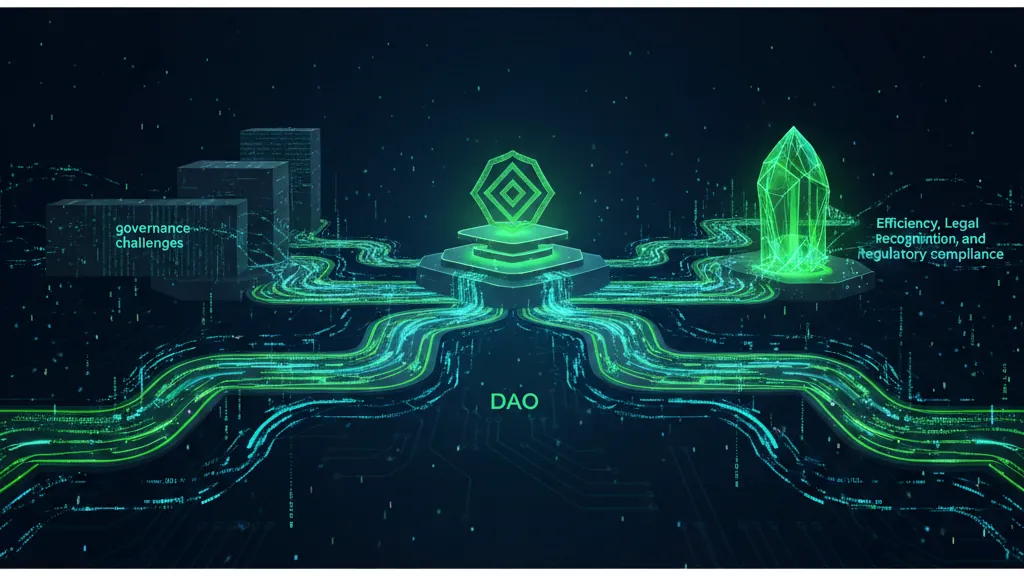
Decentralized Autonomous Organizations (DAOs) are transforming governance in the crypto space, enabling community-driven decision-making. This article explores the implications of DAOs for the future of blockchain projects.
Written by CoinArticle’s AI Newsroom · from 1 cited source. How we work
The Rise of Decentralized Autonomous Organizations
The cryptocurrency ecosystem is undergoing a transformative change in governance and decision-making. Decentralized Autonomous Organizations (DAOs) are emerging as the preferred structure for managing crypto projects, signaling a significant departure from traditional centralized control mechanisms.
Adoption Across the Crypto Landscape
A growing number of crypto projects are integrating DAOs into their organizational frameworks, reflecting a broader industry movement toward aligning project structures with the fundamental principles of decentralization that underpin blockchain technology. From decentralized finance (DeFi) to non-fungible tokens (NFTs), various sectors are implementing DAO structures to distribute decision-making authority among stakeholders, thereby enhancing engagement and inclusivity.
Governance Control Through Community Participation
DAOs serve primarily as governance mechanisms within crypto projects, empowering token holders to participate directly in pivotal decisions affecting the project's trajectory, protocol upgrades, and policy changes. Unlike centralized organizations that rely on a singular leadership team for decision-making, DAO-based governance distributes voting power among community members, often in proportion to their token holdings or participation levels. This paradigm shift fosters a more democratic governance process.
Treasury Management in Community Hands
Among the most impactful applications of DAOs is community control over project treasuries. These digital repositories often encompass substantial assets accrued through token sales, transaction fees, or protocol revenue. By placing treasury management under DAO governance, communities can collaboratively decide how funds are allocated—whether for development grants, marketing initiatives, security audits, or ecosystem growth programs. This model not only enhances accountability but also aligns funding decisions with the community's interests.
Implications for the Crypto Industry
The rise of DAO structures carries significant implications for the cryptocurrency sector. This governance model can enhance transparency and mitigate the single points of failure that often afflict centralized organizations. Community members gain tangible influence over projects they support, fostering a stronger alignment between developers and users.
However, this transition also brings forth new challenges. Successful DAO governance necessitates active participation from community members, and reaching consensus on complex technical or financial decisions can be time-consuming. The overall effectiveness of this model hinges on community engagement and the robustness of governance frameworks in place.
Conclusion
The integration of DAOs into crypto project structures exemplifies a practical application of blockchain technology's decentralizing potential. As more projects adopt these governance models, the industry is continuously exploring innovative ways of organizing collective decision-making and resource allocation. The long-term success of this approach relies on communities' ability to balance decentralization with operational efficiency.
Why It Matters
For Traders
DAOs offer traders greater transparency and direct influence over the projects they invest in, promoting better alignment between market sentiment and project direction.
For Investors
Long-term investors can benefit from the increased accountability and governance inclusivity DAOs provide, potentially leading to more stable project trajectories and growth opportunities.
For Builders
Developers and builders can leverage DAO structures to tap into community insights and funding, fostering innovation and collaboration that aligns with user needs and preferences.
This article is for information only and is not financial advice. Read the full disclaimer.