Unlocking the Future of DeFi Insurance in Onchain Finance
Decentralized Finance (DeFi) is redefining financial paradigms, but the absence of reliable insurance leaves significant gaps. The emergence of DeFi insurance promises to bridge these gaps, turning hidden risks into accessible, programmable coverage.
Written by CoinArticle’s AI Newsroom · from 1 cited source. How we work
DeFi Insurance: The Final Frontier of Onchain Finance
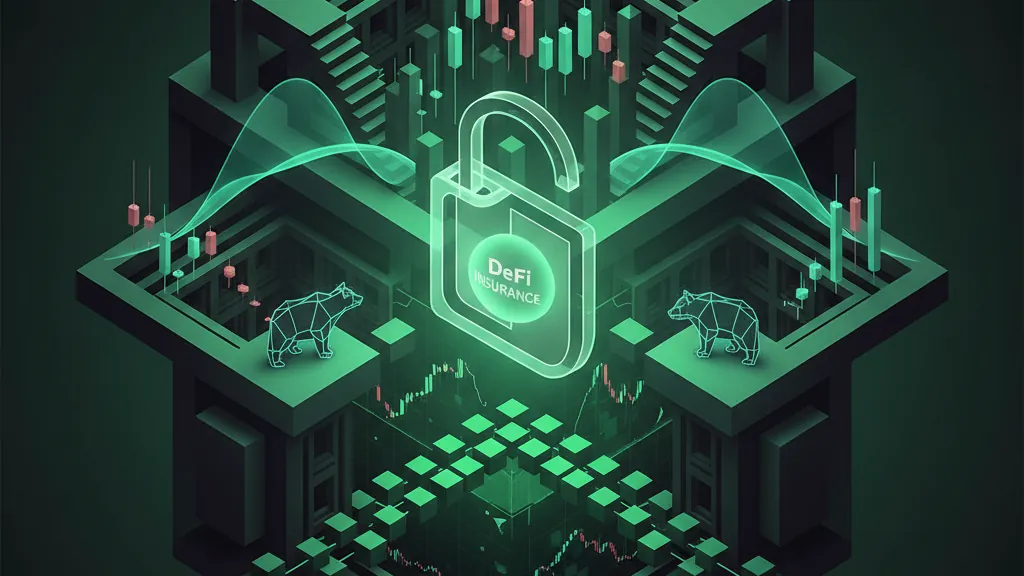
Decentralized Finance (DeFi) has emerged as a revolutionary force, reshaping the traditional financial landscape and unlocking unprecedented opportunities for borrowers, lenders, traders, and investors. However, as this ecosystem continues to evolve, one critical component remains conspicuously absent: robust, reliable insurance. The advent of DeFi insurance may represent the final frontier for onchain finance, transforming concealed risks into actionable, programmable coverage.
The Need for DeFi Insurance
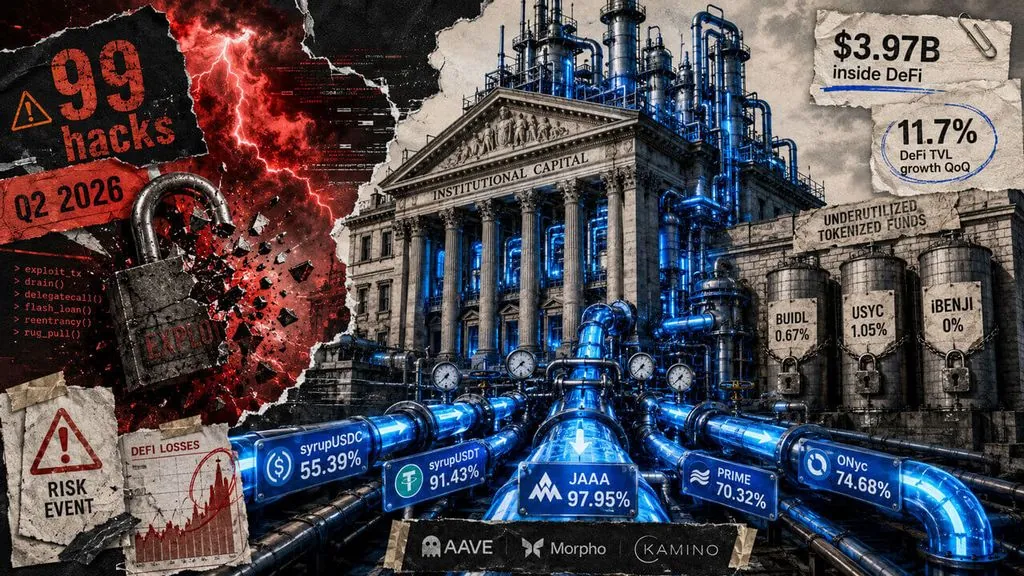
While DeFi primarily focuses on lending, trading, and liquidity provision, the financial instruments it offers frequently lack the safety nets that traditional finance provides. In conventional finance, insurance plays a pivotal role in mitigating risks and protecting investors against unforeseen events. Conversely, in the DeFi space, hidden risks—such as smart contract vulnerabilities, protocol failures, and systemic market risks—remain largely uninsured. This gap indicates that DeFi has not yet attained its full potential, as risk management solutions have not matured alongside the rapid innovations experienced across other sector aspects.
Turning Risks into Assets
DeFi insurance fundamentally redefines the paradigm by transforming hidden risks into priced, programmable coverage. This innovation allows users to purchase customized insurance policies tailored to specific DeFi protocols or activities, significantly bolstering user confidence and participation across diverse DeFi applications. With clearly defined parameters and transparent structures, DeFi insurance products can become cornerstones of risk management for investors, ensuring that unexpected events do not lead to catastrophic losses.
Moreover, with programmable insurance, the capital utilized can be uncorrelated, paving the way for the creation of Total Value Locked (TVC) safety nets. This means that the capital backing these insurance products can provide additional layers of security for borrowers and lenders, effectively reducing overall risk exposure within decentralized ecosystems. This approach not only benefits individual users but also strengthens the entire DeFi ecosystem by mitigating systemic risks.
Why It Matters
For Traders
Traders in the DeFi space can significantly benefit from insurance products by safeguarding their assets against contract failures or unexpected volatility. This safety net enhances trading strategies, facilitating easier engagement with high-risk assets, knowing they have coverage in place.
For Investors
For investors, the emergence of DeFi insurance leads to increased assurance in the projects they engage with. This development ushers in opportunities for improved risk assessment and management, potentially fostering greater investment in the sector as investors feel more secure.
For Builders
For developers and builders within the DeFi space, integrating insurance solutions into their projects could serve as a unique selling point. By prioritizing user safety and offering insurance alternatives, builders can attract a broader audience, ultimately contributing to the overall growth of the DeFi landscape.
In conclusion, integrating DeFi insurance into the onchain finance ecosystem stands to remedy current gaps in risk management, promoting sustainability and trust that can drive wider adoption and innovation in the sector. As we explore this frontier further, we may witness a renewed interest in DeFi as a whole.
This article is for information only and is not financial advice. Read the full disclaimer.