DeFi TVL Drops 11% on Ethereum After KelpDAO Security Hack
Total Value Locked across DeFi plummeted following a security breach at KelpDAO, with Ethereum experiencing an 11% TVL decline while alternative chains like Bitcoin, Tron, and BSC remained relatively resilient. The incident reignited concerns about smart contract vulnerabilities and prompted widespread reassessment of protocol security practices.
Written by CoinArticle’s AI Newsroom · from 1 cited source. How we work
DeFi TVL Plummets Across Top Chains After KelpDAO Hack
DeFi Market Turbulence: Ethereum TVL Drops 11% Following KelpDAO Security Breach
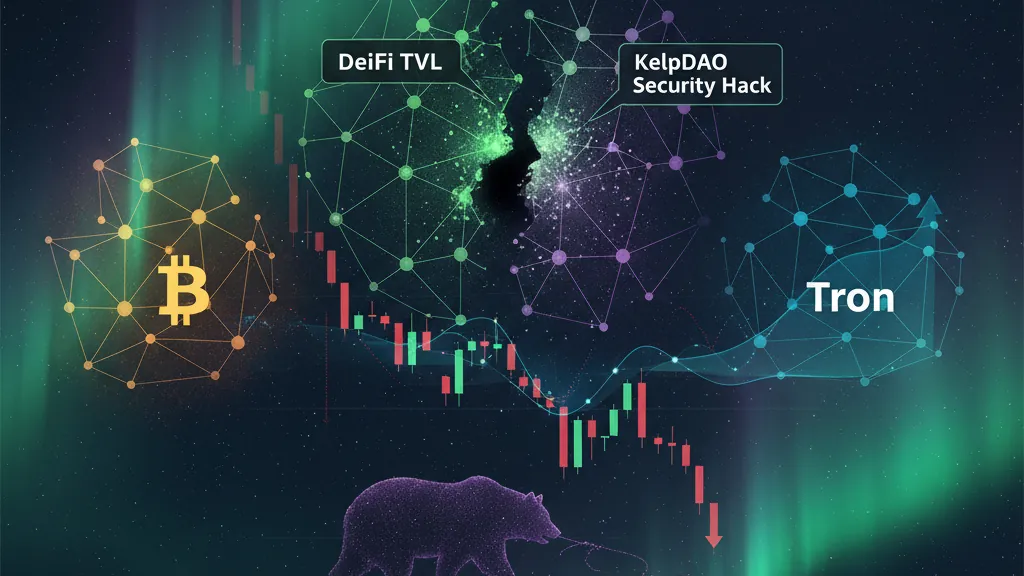
The decentralized finance sector experienced significant turbulence as Total Value Locked (TVL) dropped sharply across major blockchain networks. The decline was primarily concentrated on Ethereum, which saw its TVL plummet by nearly 11% within a 24-hour period following security concerns in the ecosystem.
Understanding the KelpDAO Security Incident
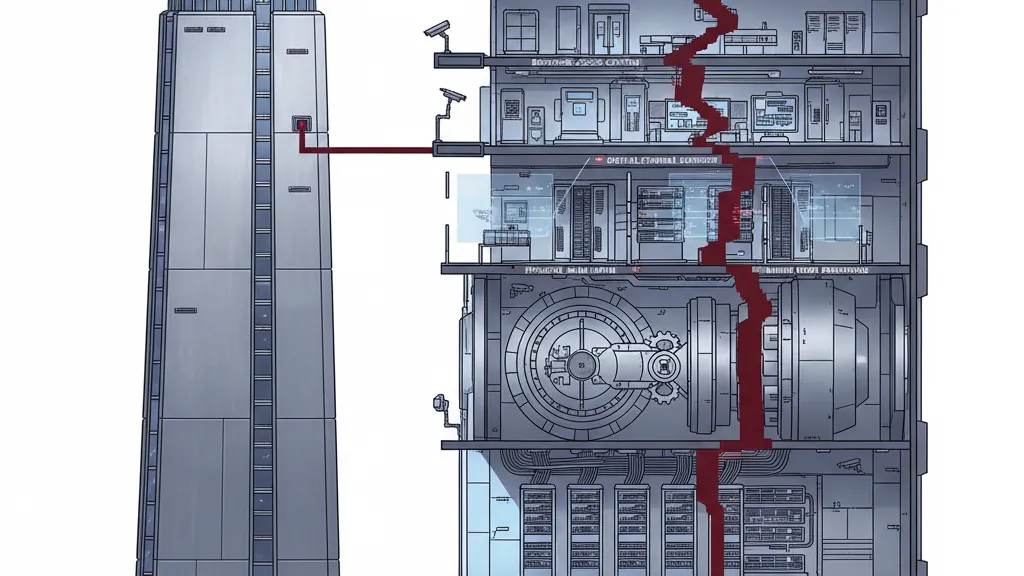
KelpDAO, a prominent Ethereum-based DeFi protocol, fell victim to a security breach that triggered immediate market reassessment of protocol vulnerabilities. The incident prompted renewed focus on smart contract security audits across the sector and highlighted the critical importance of rigorous testing frameworks. While specific details regarding the breach's scope and financial impact were still emerging, the market's reaction was swift and pronounced.
How Different Blockchains Responded to the Hack
The negative sentiment was not uniformly distributed across blockchain networks. Ethereum bore the brunt of the decline with its TVL experiencing the most substantial drop. In contrast, Bitcoin, Tron, and Binance Smart Chain (BSC) demonstrated greater resilience, experiencing comparatively modest declines or remaining relatively stable.
This divergence suggests that market participants maintained greater confidence in alternative chains' DeFi ecosystems in the immediate aftermath of the incident. Bitcoin's layer-two solutions and Tron's DeFi platforms appeared to weather the storm more effectively than Ethereum-based protocols, signaling potential shifts in capital allocation strategies.
Why the KelpDAO Hack Matters
For Traders
The sharp volatility created immediate trading opportunities and risks. Stop-loss triggers likely cascaded through Ethereum-based positions, while savvy traders may have identified accumulation points on networks showing greater stability. The event reinforced the importance of diversification across multiple chains rather than concentrating exposure in a single ecosystem.
For Investors
The incident highlighted ongoing risks associated with smart contract vulnerabilities in DeFi. Long-term investors faced difficult decisions regarding portfolio rebalancing, particularly for those heavily weighted toward Ethereum protocols. The event served as a critical reminder that technological innovation in DeFi, while promising, carries inherent security risks that can materially impact asset valuations.
For Builders
The KelpDAO breach underscored the critical importance of rigorous security protocols and professional audit processes. Development teams were reminded that a single vulnerability could trigger widespread loss of confidence in their ecosystem. This likely accelerated discussions around enhanced testing frameworks, bug bounty programs, and formal verification methods for smart contracts.
What's Next for DeFi?
The crypto community's response to the KelpDAO incident will likely influence future protocol development and risk management practices across the industry. Market participants will be watching closely to see whether Ethereum's TVL rebounds as confidence is restored, or whether users continue migrating capital to alternative chains perceived as having stronger security profiles.
The broader DeFi landscape may experience a structural shift toward enhanced security standards, increased audit frequency, and more transparent vulnerability disclosure processes.
Entities: KelpDAO, Ethereum, Bitcoin, Tron, BSC
Categories: Markets, Security, DeFi
Why It Matters
For Traders
Volatility created both risks and opportunities, with cascading stop-losses on Ethereum and potential accumulation points on more stable chains.
For Investors
Smart contract vulnerabilities pose material risks to asset valuations, requiring portfolio rebalancing and careful assessment of protocol security.
For Builders
The incident emphasizes the need for rigorous security audits, enhanced testing frameworks, and formal verification methods in smart contract development.
This article is for information only and is not financial advice. Read the full disclaimer.