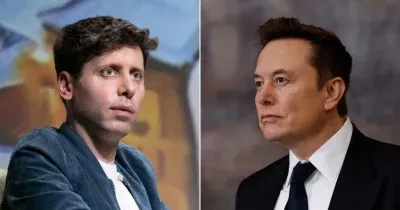
Elon Musk Sues OpenAI Over Nonprofit Conversion Claims
Elon Musk filed suit against OpenAI and CEO Sam Altman, alleging the company abandoned its nonprofit mission by accepting Microsoft investment and pursuing commercial interests. The trial outcome may establish precedent for how mission-driven tech ventures can transition their governance structures.
Written by CoinArticle’s AI Newsroom · from 1 cited source. How we work
The Core Dispute
Musk's lawsuit centers on allegations that OpenAI violated its founding charter by converting from a strict nonprofit model to one funded by venture capital and commercial partnerships. Musk, who co-founded OpenAI in 2015 before stepping down from its board in 2018, contends that the organization's 2023 partnership with Microsoft—which invested up to $13 billion—fundamentally violated commitments to develop artificial general intelligence for public benefit rather than shareholder returns.
Why This Matters for Nonprofit Governance
The trial outcome could set precedent for how mission-driven technology companies navigate the tension between maintaining nonprofit status and accessing growth capital. If courts rule in Musk's favor, they may impose stricter requirements on how nonprofits can accept venture funding without triggering fiduciary liability claims. Conversely, a ruling favoring OpenAI would signal that nonprofits retain significant discretion to pursue commercial partnerships so long as they operate within existing tax and corporate law.
Broader Industry Implications
The case arrives as other AI companies and deep-tech ventures face similar structural questions about balancing open-source missions with venture financing. Investor confidence in mission-driven ventures—from climate tech to life sciences—may hinge on how courts interpret the enforceability of founding commitments when capital needs shift.
Why It Matters
For Traders
OpenAI's governance outcome has no direct bearing on crypto asset prices or trading mechanics in the next 72 hours.
For Investors
A court ruling on nonprofit-to-commercial transitions could affect how mission-driven crypto protocols and DAOs structure their governance and capital raises.
For Builders
Protocol teams operating as nonprofits or DAOs should monitor this precedent; courts may impose new scrutiny on how decentralized organizations can accept commercial partnerships without violating founding commitments.
This article is for information only and is not financial advice. Read the full disclaimer.