Ethereum User Loses $1 Million in Phishing Attack on Wallet
An Ethereum user approved a malicious transaction that granted scammers full access to drain nearly $1 million from the wallet. The incident is one of hundreds of millions in phishing losses recorded across crypto in 2024.
Written by CoinArticle’s AI Newsroom · from 1 cited source. How we work
The Attack
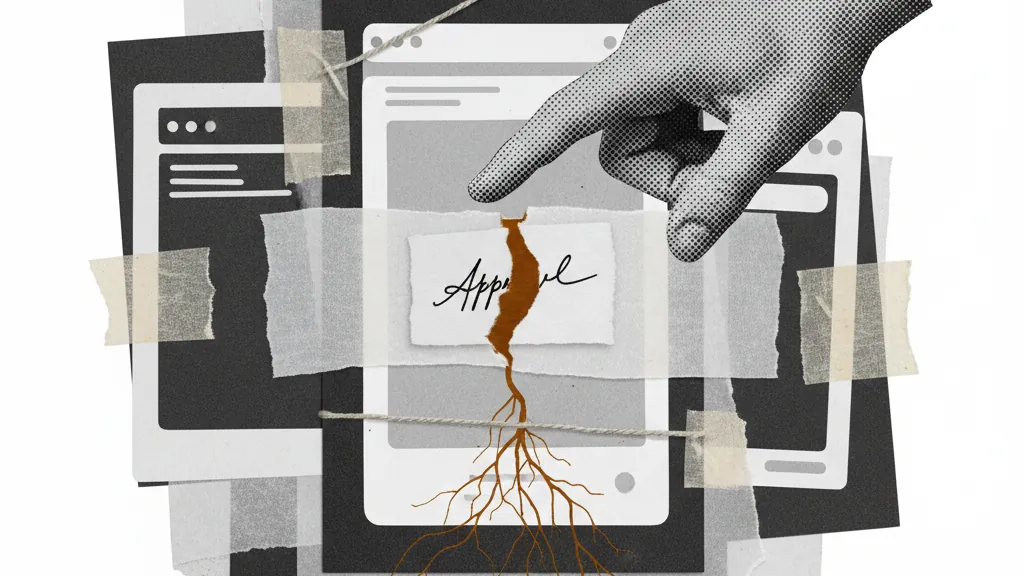
An Ethereum user lost nearly $1 million after approving what appeared to be a routine transaction but was actually a malicious contract interaction that granted scammers complete wallet access. Once approved, the attacker drained almost the entire balance from the compromised wallet in a single transaction.
Scope of Phishing Losses
This incident is part of a broader pattern of phishing attacks across crypto assets this year. Phishing and wallet compromise scams have collectively drained hundreds of millions of dollars in 2024, according to blockchain security trackers. Most losses stem from users inadvertently signing transactions that grant unlimited spending permissions to malicious smart contracts, a technique often called an "infinite approval" attack.
How These Attacks Work
Phishing attacks typically lure users to fake websites or interfaces that mimic legitimate exchanges or DeFi protocols. Once a user connects their wallet and approves a transaction, the scammer gains programmatic access to steal tokens or NFTs without requiring further user action. Victims often do not realize they have granted access until funds have already been moved to attacker-controlled wallets.
Why It Matters
For Traders
Individual wallet compromise underscores importance of portfolio security practices; traders should review wallet permissions regularly via tools like Revoke.cash.
For Investors
Rising phishing losses signal that user experience and security education remain critical barriers to mainstream adoption.
For Builders
Wallet interfaces and dApp developers should implement transaction preview tools and permission warnings to reduce infinite-approval attacks.
This article is for information only and is not financial advice. Read the full disclaimer.