EU Criticizes China Over Alleged Military Support to Russia in Ukraine
The European Union issued a statement criticizing China for allegedly training Russian troops engaged in combat in Ukraine. The criticism may trigger discussions about escalated sanctions that could reshape global trade and financial market dynamics.
Written by CoinArticle’s AI Newsroom · from 1 cited source. How we work
EU's Statement on China's Role
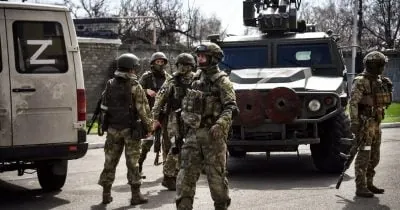
The European Union publicly criticized China for providing military training support to Russian forces operating in Ukraine. The EU statement did not detail specific evidence but indicated concern over what it characterized as direct military assistance to Russia's war effort. The timing of the criticism comes amid broader discussions within EU leadership about China's strategic positioning relative to Russia and the West.
Potential Sanctions Discussion
EU officials have indicated that additional sanctions against China remain under consideration if military support to Russia is confirmed. Any new sanctions regime could disrupt global supply chains and trade relationships, with secondary effects on currency markets and cross-border capital flows. The EU has historically used financial and trade restrictions as primary enforcement tools in foreign policy disputes.
Broader Market Context
Geopolitical tensions between major trading blocs—particularly those affecting semiconductors, energy, and manufacturing—have historically influenced cryptocurrency volatility and stablecoin flows. Crypto markets have shown sensitivity to sanctions announcements and shifts in international trade relationships, particularly when such moves affect institutional capital deployment or cross-border settlement channels.
Why It Matters
For Traders
Geopolitical escalation and potential new sanctions could drive short-term volatility in major pairs and risk-off positioning across crypto markets over the next 48-72 hours.
For Investors
If EU sanctions on China materialize, they may constrain global trade and capital flows, increasing demand for borderless settlement channels like stablecoins and non-custodial assets.
For Builders
Sanctions regimes targeting major economies typically expand regulatory scrutiny of cross-border crypto transfers; builders should monitor EU regulatory signals for compliance implications.
This article is for information only and is not financial advice. Read the full disclaimer.