US-China Tech Tensions May Delay Xi Jinping's Planned US Visit
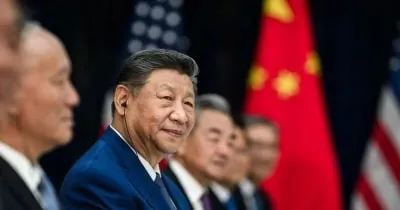
Escalating US-China technological disputes are reducing the likelihood of Chinese President Xi Jinping visiting the United States before 2026, according to diplomatic analysts. The strain reflects broader friction over semiconductors, AI, and trade policy that could reshape global tech markets.
Written by CoinArticle’s AI Newsroom · from 1 cited source. How we work
Diplomatic Headwinds
US-China tensions over technology policy are complicating high-level diplomatic engagement, with Xi Jinping's planned visit to the US now considered less probable within the next two years. The friction centers on semiconductor export controls, artificial intelligence regulation, and competing infrastructure standards — areas where both governments have taken hardline positions that leave little room for near-term compromise.
Market and Sector Implications
The deterioration in bilateral relations threatens collaboration on technical standards and may accelerate "de-risking" efforts by multinational firms seeking to reduce exposure to Chinese supply chains. Crypto and blockchain projects with international footprints face additional scrutiny, as both governments view technology governance as a strategic priority. The delay in top-level diplomacy signals that resolution of trade frictions remains distant, prolonging uncertainty for companies navigating dual-market operations.
What Remains Uncertain
No official announcement has been made regarding a specific scheduled visit or timeline. The assessment reflects analyst interpretation of public statements and diplomatic posturing rather than confirmed intelligence. Both governments maintain official channels for communication, though the political environment for substantive economic cooperation has cooled considerably.
Why It Matters
For Traders
Prolonged US-China friction creates headwinds for crypto projects with Chinese users or mining operations; geopolitical risk premiums may persist across both markets.
For Investors
Delayed diplomatic resolution signals longer-term tech decoupling, pressuring global supply chains and potentially fragmenting blockchain networks along geographic lines.
For Builders
Protocol teams should anticipate stricter regulatory divergence between US and China; single global compliance frameworks become less viable as each jurisdiction hardens its stance.
This article is for information only and is not financial advice. Read the full disclaimer.