EU Sanctions on Russian Yamal LNG Condensate Imports by 2027
The European Union has announced sanctions targeting condensate imports from Russia's Yamal LNG facility, effective by 2027, providing market participants time to adjust supply chains. The measure aims to reduce Russian energy revenues and European dependence on Moscow's hydrocarbons while creating opportunities for alternative suppliers in Central Asia, the Caspian region, and the Middle East.
Key Takeaways
- 1# EU Sanctions to Target Russian Condensate Imports from Yamal LNG by 2027 ## Overview The European Union has announced a new sanctions framework targeting condensate imports from Russia's Yamal LNG facility, effective by 2027.
- 2This escalation in economic measures against Moscow follows existing energy sanctions implemented in response to geopolitical tensions.
- 3The phased approach provides market participants a critical window to adjust supply chains and identify alternative energy sources before restrictions become fully operational.
- 4Condensate—a liquid hydrocarbon byproduct of natural gas extraction—has become an increasingly vital component of Russia's energy export portfolio.
- 5Yamal LNG, one of the world's largest liquefied natural gas projects, has historically supplied European markets with both LNG and condensate products.
EU Sanctions to Target Russian Condensate Imports from Yamal LNG by 2027
Overview
The European Union has announced a new sanctions framework targeting condensate imports from Russia's Yamal LNG facility, effective by 2027. This escalation in economic measures against Moscow follows existing energy sanctions implemented in response to geopolitical tensions. The phased approach provides market participants a critical window to adjust supply chains and identify alternative energy sources before restrictions become fully operational.
Condensate—a liquid hydrocarbon byproduct of natural gas extraction—has become an increasingly vital component of Russia's energy export portfolio. Yamal LNG, one of the world's largest liquefied natural gas projects, has historically supplied European markets with both LNG and condensate products. These scheduled sanctions aim to further constrain Moscow's energy revenues while reducing European dependence on Russian hydrocarbons.
Impact on Market Dynamics
The EU's decision reflects broader energy security concerns and efforts to reduce reliance on Russian fuel supplies. By establishing a 2027 deadline, European policymakers allow energy markets time to recalibrate while signaling long-term strategic intent. However, traders should anticipate immediate volatility as market participants adjust positions and reassess Russia's export capabilities.
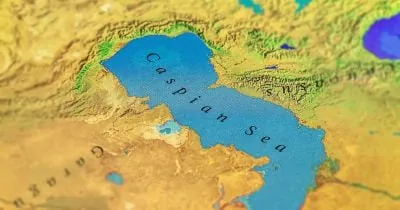
Alternative condensate suppliers—including producers in Central Asia, the Caspian region, and the Middle East—are positioned to capture increased European demand. This supply reallocation will likely influence global energy pricing and reshape geopolitical trade relationships across multiple regions.
Diplomatic and Geopolitical Implications
These sanctions are expected to further strain EU-Russia relations, potentially complicating ongoing diplomatic efforts to resolve broader geopolitical disputes. The measure signals Europe's commitment to constraining Russian economic interests despite potential domestic energy market costs. Russia may respond with counter-sanctions or redirect exports toward Asian markets, particularly China and India.
The decision establishes important precedent for future EU sanctions policy, demonstrating a strategic shift toward targeting specific energy commodities rather than implementing blanket restrictions.
Why It Matters
For Traders
Energy commodity traders should closely monitor condensate price spreads and LNG market dynamics. The 2027 deadline creates arbitrage opportunities and hedging strategies, while supply disruptions may trigger sharp price movements across crude oil and refined products markets.
For Investors
Energy investment portfolios should reassess Russian energy asset exposure and evaluate long-position opportunities in alternative condensate and LNG producers. Renewable energy and alternative fuel sectors may attract renewed investor interest as Europe accelerates energy transition initiatives.
For Builders
Infrastructure developers should evaluate opportunities in alternative LNG terminals, condensate processing facilities, and pipeline networks serving European markets. The sanctions timeline provides clear visibility for long-term infrastructure investment planning in non-Russian energy supply chains.
Entities: European Union, Russia, Yamal LNG
Categories: Markets, Energy, Sanctions, Geopolitics