FedNow Upgrade: Impact on XRP's Payments Use Case
The Federal Reserve's recent FedNow upgrade could reshape XRP's role in the payments industry. This analysis explores the implications for traders, investors, and developers as the financial landscape evolves.
Written by CoinArticle’s AI Newsroom · from 1 cited source. How we work
The Fed Treads on XRP’s Core Payments Use Case with New FedNow Banking System Upgrade
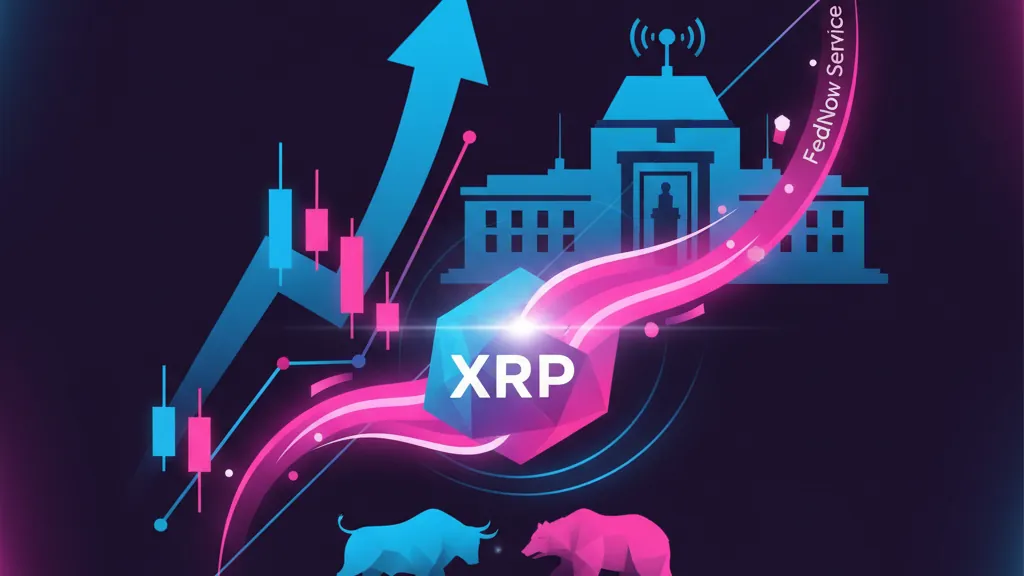
The Federal Reserve has announced an upgrade to its FedNow banking system that could significantly influence the use case of XRP in the payments landscape. This upgrade presents a pivotal shift by allowing U.S. banks and credit unions to utilize intermediaries through the FedNow Service. As the financial ecosystem continues to evolve, examining the implications of this development for XRP is essential.
Background on FedNow and XRP
Launched in July 2023, the FedNow Service is designed to modernize the U.S. payment infrastructure by enabling real-time, 24/7 interbank transactions. The proposed changes, which permit the use of intermediaries in these transactions, could alter how digital assets like XRP are viewed within mainstream banking operations. XRP, developed by Ripple, has positioned itself as a solution for cross-border payments, emphasizing speed and efficiency. However, as the Fed adapts its systems, the very foundation of XRP's use case may face challenges.
New Dynamics in the Payments Landscape
With the Federal Reserve enabling banks to utilize intermediaries through the FedNow Service, the potential landscape for digital assets is set to change. Traditionally, XRP is preferred for its ability to facilitate global money transfers without intermediary reliance, thereby reducing costs and transaction times. The Fed’s new approach could imply an increased reliance on traditional intermediaries, indirectly undermining XRP's value proposition in the payments sector.
Why It Matters
For Traders
Traders in digital assets like XRP need to reevaluate their strategies in light of this announcement. The shift in FedNow's policy could prompt a reassessment of XRP’s position against other digital currencies and traditional payment methods, leading to increased market volatility and potential trading opportunities.
For Investors
Investors should recognize that the perceived utility of XRP may change dramatically depending on banks' adoption of the new FedNow framework. If financial institutions favor intermediaries, the demand for XRP as a rapid settlement option could wane, affecting its long-term viability and market value.
For Builders
For developers and participants in the crypto ecosystem, especially those focused on payment solutions, this upgrade signals an urgent need for innovation. Builders must consider positioning their projects effectively in a landscape where traditional financial mechanisms are enhanced, possibly shifting towards collaborations with banks or integrating with the FedNow system to create hybrid solutions leveraging both traditional and digital assets.
Conclusion
The Federal Reserve's upgrade to its FedNow banking system holds significant implications for XRP and the broader digital asset ecosystem. With new functionalities allowing for intermediaries, market stakeholders must evaluate their strategies and adapt to changes that may redefine the payments landscape. As the situation evolves, ongoing analysis will be crucial for all involved parties to navigate this dynamic environment.
This article is for information only and is not financial advice. Read the full disclaimer.