FIFA and Football Leagues Deepen Blockchain Ties Ahead of 2026 World Cup
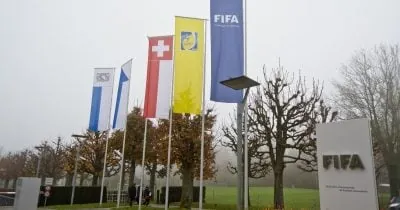
Football's major governing bodies are expanding blockchain integration for fan engagement and ticketing as the 2026 World Cup approaches. The moves signal growing institutional adoption of cryptocurrency and Web3 infrastructure in global sports.
Written by CoinArticle’s AI Newsroom · from 1 cited source. How we work
Blockchain Enters Mainstream Football
As the 2026 FIFA World Cup draws closer, major football organizations are accelerating blockchain and Web3 initiatives beyond traditional sponsorship deals. FIFA, national football associations, and top league operators have begun piloting tokenized fan experiences, digital collectibles, and blockchain-based ticketing systems designed to deepen fan engagement and create new revenue streams.
These efforts extend beyond marketing exercises. Several leagues have partnered with established blockchain platforms to issue fan tokens tied to club governance, exclusive content access, and merchandise discounts. The infrastructure allows real-time settlement of transactions and creates verifiable ownership records for digital assets tied to player likenesses and match moments.
Why Institutional Sports Matter for Crypto
Football's adoption of blockchain infrastructure normalizes cryptocurrency wallets and token holdings among the sport's estimated 4 billion global fans. Unlike speculative trading or DeFi protocols, sports-based tokenization introduces blockchain technology to audiences with no prior crypto experience through a trusted, familiar channel.
The 2026 World Cup provides a critical proving ground. If ticketing, fan voting, and merchandise distribution run smoothly on blockchain infrastructure during the tournament, it demonstrates technical reliability and user-friendliness to other major sports and entertainment properties evaluating similar systems. A failed deployment would set adoption back considerably.
Why It Matters
For Traders
Sports-focused tokens may see temporary activity spikes around major tournaments, but these are typically promotional cycles without sustained fundamental support.
For Investors
Mainstream sports adoption signals institutional comfort with blockchain infrastructure and widens the addressable market for Web3 platforms beyond finance.
For Builders
Sports partnerships require robust identity, ticketing, and settlement layers; successful World Cup deployments will validate scaling and UX improvements builders are prioritizing.
This article is for information only and is not financial advice. Read the full disclaimer.