MetLife Stadium Selected for 2026 World Cup Final as Crypto Sponsorships Absent
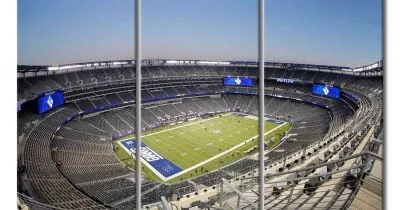
FIFA announced Tuesday that MetLife Stadium in New Jersey will host the 2026 World Cup final, marking a major sporting event with no crypto industry sponsorships or partnerships attached. The selection reflects the broader retreat of cryptocurrency companies from mainstream sports marketing following regulatory pressures and exchange collapses.
Written by CoinArticle’s AI Newsroom · from 1 cited source. How we work
FIFA's Choice and the Absence of Crypto
FIFA designated MetLife Stadium in East Rutherford, New Jersey as the host venue for the 2026 FIFA World Cup final. The selection marks one of the most prominent global sporting events on the calendar, yet the official partnerships and sponsorships announced alongside the decision contain no cryptocurrency exchanges, blockchain platforms, or related fintech firms — a sharp contrast to the crypto industry's aggressive sports marketing push of the prior three years.
Crypto's Retreat from Sports Sponsorships
The industry's absence from a flagship FIFA event signals the continued pullback from sports partnerships that accelerated after the 2022 collapse of FTX and subsequent regulatory crackdowns. Major exchanges including Crypto.com and BlockFi drastically cut sports sponsorship spending in 2023 and 2024 after years of high-visibility naming rights deals and stadium advertising. The industry's ability to secure premium sports partnerships has tightened alongside tighter SEC enforcement and increased skepticism from traditional sports properties and their insurers regarding the reputational and legal risks of crypto associations.
Broader Marketing Landscape
The 2026 World Cup sponsorship approach reflects how mainstream institutions have recalibrated their stance on crypto partnerships. Where major leagues and venues once viewed crypto dollars as readily deployable marketing budgets, sports properties now apply stricter vetting and regulatory compliance standards. The absence of crypto from FIFA's marquee event suggests the industry's path back to mainstream sports sponsorship will require demonstrable regulatory clarity and institutional stability rather than capital alone.
Why It Matters
For Traders
Continued exclusion from mainstream sports sponsorships signals lingering institutional hesitation that may weigh on sentiment for consumer-facing crypto brands dependent on brand visibility.
For Investors
The retreat from sports marketing shows crypto's mainstream acceptance remains fragile; regulatory clarity rather than capital deployment will determine the next wave of brand partnerships.
For Builders
Protocol teams and infrastructure providers are less affected than consumer exchanges, but the pattern suggests consumer adoption marketing will remain constrained until regulatory frameworks stabilize.
This article is for information only and is not financial advice. Read the full disclaimer.