France-Iran Strait of Hormuz Mission May Ease Regional Tensions
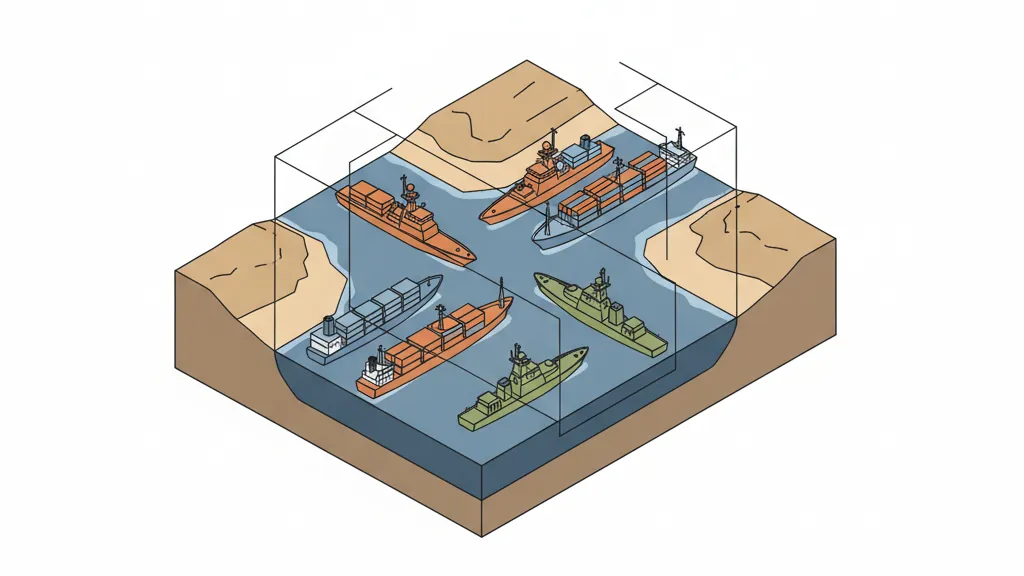
France announced plans for a joint mission with Iran to secure the Strait of Hormuz amid escalating regional tensions. The initiative could normalize shipping traffic through one of the world's most critical oil chokepoints and reduce military conflict risks.
Written by CoinArticle’s AI Newsroom · from 1 cited source. How we work
Geopolitical Context
France plans to coordinate with Iran on maritime security operations in the Strait of Hormuz, a waterway through which roughly 20% of the world's oil passes daily. The move signals diplomatic engagement aimed at reducing military incidents and ensuring stable passage for commercial and energy shipments through the region.
Potential Market Implications
Normalization of Strait of Hormuz traffic could ease oil price volatility driven by geopolitical risk premiums. Any reduction in military tensions that threaten chokepoint blockades typically supports calmer energy markets and reduces the flight-to-safety demand that often benefits safe-haven assets like Bitcoin during periods of acute regional conflict.
Why It Matters
For Traders
Reduced geopolitical risk in the Middle East typically compresses the crisis premium in oil and safe-haven assets; monitor energy futures for directional signals.
For Investors
Stable maritime chokepoints lower tail-risk hedges for portfolios; normalization of regional tensions may shift capital from defensive positioning toward risk assets.
For Builders
Predictable energy markets reduce operational uncertainty for on-chain services dependent on grid stability and data-center costs in energy-intensive regions.
This article is for information only and is not financial advice. Read the full disclaimer.