Geopolitical Risk Escalates as US Strikes Iranian Air Defense
The US conducted strikes against Iranian air defense systems as regional tensions intensify ahead of a predicted July 22 Iranian military action. Crypto markets typically react to geopolitical shocks with flight-to-safety demand for Bitcoin and stablecoins.
Written by CoinArticle’s AI Newsroom · from 1 cited source. How we work
US Military Action in Middle East
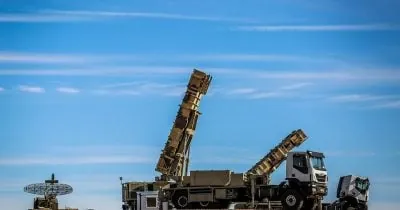
The US struck Iranian air defense systems as part of ongoing military operations in the region, according to reports. The timing coincides with elevated concern about broader Iranian military escalation, with forecasting markets pricing a 56% probability of Iranian military action against a Gulf state by July 22.
Crypto Market Implications
Geopolitical crises historically drive volatility in crypto markets, particularly upward pressure on Bitcoin as a perceived hedge against currency debasement and capital controls. Stablecoin demand often rises during regional conflicts as traders seek dollar-denominated liquidity without counterparty exposure to regional financial infrastructure. On-chain activity on major exchanges typically accelerates during geopolitical shocks as investors reposition portfolios.
Broader Context
Middle East instability has proven a recurring macro driver for crypto trading since 2022, when tensions in the region coincided with flight from traditional markets. However, the degree to which crypto actually functions as geopolitical hedge versus correlation with traditional risk-off sentiment remains debated among analysts.
Why It Matters
For Traders
Geopolitical shocks historically trigger intraday volatility spikes in Bitcoin and elevated stablecoin flows; risk management positioning may matter more than direction over the next 72 hours.
For Investors
Persistent Middle East tensions could reinforce Bitcoin's narrative as a macro hedge against currency instability and capital controls, though causation remains difficult to isolate from correlation.
For Builders
Cross-border payment infrastructure and stablecoin protocols face increased scrutiny during sanctions escalation; builders should review counterparty exposure to sanctioned jurisdictions.
This article is for information only and is not financial advice. Read the full disclaimer.