Geopolitical Tension Rises as Middle East Conflict Escalates Despite Ceasefire
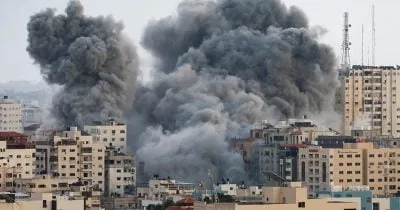
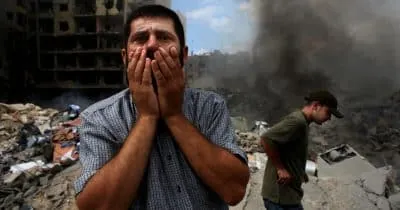
Israeli airstrikes killed at least 20 people in Lebanon on Tuesday, violating the terms of a recently announced ceasefire agreement. The escalation threatens regional stability and could complicate ongoing diplomatic negotiations.
Written by CoinArticle’s AI Newsroom · from 1 cited source. How we work
Ceasefire Violations Resume
Israeli airstrikes struck targets in Lebanon on Tuesday, killing at least 20 people according to initial reports. The strikes directly contradict the terms of a ceasefire agreement that was announced in recent days, marking a significant breach of the diplomatic accord.
Diplomatic Impact Uncertain
The airstrikes undermine ongoing diplomatic efforts and risk further destabilization in the region. Officials and analysts say the escalation complicates future peace negotiations, though the full scope of the agreement's terms and enforcement mechanisms remains unclear from available reporting.
Why It Matters
For Traders
Geopolitical risk in the Middle East typically increases volatility in Bitcoin and safe-haven assets; monitor macro flows over the next 48 hours.
For Investors
Regional conflict escalation raises systemic risk premiums across emerging-market assets and may shift institutional capital allocation toward uncorrelated or non-sovereign stores of value.
For Builders
Political instability and sanctions pressure in conflict zones can restrict access to exchanges and custody services, underscoring the case for non-custodial infrastructure.
This article is for information only and is not financial advice. Read the full disclaimer.