Geopolitical Tensions in Middle East Pose Risk to Energy Markets and Crypto Volatility
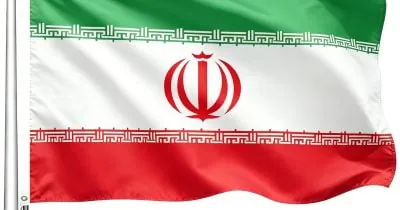
Escalating conflict between Iran and neighboring Gulf states threatens regional energy infrastructure and global oil supply stability. The instability could amplify cryptocurrency market volatility as investors reassess macro risk and safe-haven asset allocation.
Key Takeaways
- 1## Regional Tensions and Energy Infrastructure Risk Tensions between Iran and Gulf Cooperation Council members—Saudi Arabia, the United Arab Emirates, and Qatar—have intensified amid reports of targeting of energy infrastructure.
- 2The conflict poses a direct threat to critical oil and gas production facilities that collectively account for a significant share of global energy exports.
- 3Any disruption to these facilities could constrain supply and raise energy costs globally.
- 4## Implications for Financial Markets Geopolitical risk of this magnitude historically correlates with increased volatility across asset classes, including cryptocurrencies.
- 5Energy price shocks and macroeconomic uncertainty typically drive investors toward either safe-haven assets or increased portfolio rebalancing.
Regional Tensions and Energy Infrastructure Risk
Tensions between Iran and Gulf Cooperation Council members—Saudi Arabia, the United Arab Emirates, and Qatar—have intensified amid reports of targeting of energy infrastructure. The conflict poses a direct threat to critical oil and gas production facilities that collectively account for a significant share of global energy exports. Any disruption to these facilities could constrain supply and raise energy costs globally.
Implications for Financial Markets
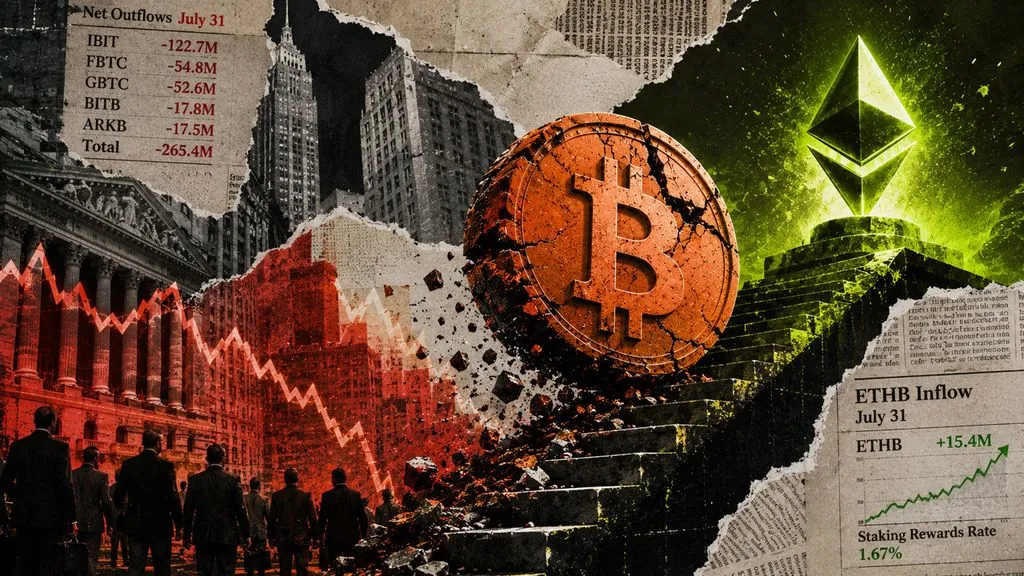
Geopolitical risk of this magnitude historically correlates with increased volatility across asset classes, including cryptocurrencies. Energy price shocks and macroeconomic uncertainty typically drive investors toward either safe-haven assets or increased portfolio rebalancing. Bitcoin and other cryptocurrencies have shown sensitivity to macro geopolitical events, particularly when they affect global energy costs and central bank policy expectations.
Broader Context
The escalation complicates ongoing peace efforts in the region and adds to existing market concerns about inflation, supply-chain resilience, and monetary policy. Traders and institutions monitoring geopolitical risk exposure are likely reassessing hedging strategies across traditional and digital asset portfolios.
Why It Matters
For Traders
Elevated geopolitical risk typically increases Bitcoin and crypto volatility; traders should monitor oil futures and VIX levels for signals of broader market stress.
For Investors
Macro instability in energy markets and geopolitical conflict increase the case for uncorrelated assets like Bitcoin as portfolio diversifiers during periods of regional supply-chain disruption.
For Builders
Cross-chain bridges and DEX liquidity may face slippage during macro volatility spikes; infrastructure teams should stress-test systems for sustained high-volume trading environments.