Iran-US Tensions May Complicate Crypto Regulatory Diplomacy
Escalating Iran-US rhetoric has raised concerns among policymakers that diplomatic gridlock could delay or derail discussions on sanctions compliance and crypto asset controls. Stalled negotiations historically coincide with increased regulatory volatility in crypto markets.
Written by CoinArticle’s AI Newsroom · from 1 cited source. How we work
Geopolitical Risk and Crypto Policy
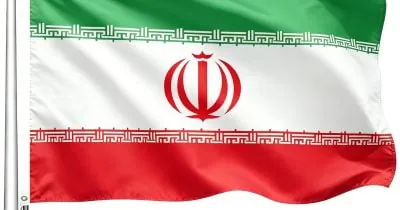
Heightened tensions between Iran and the United States have renewed focus on how regional conflict affects international coordination on financial regulation. Crypto asset controls and sanctions enforcement have become central tools in U.S. foreign policy, particularly regarding Iran's ability to move capital across borders and circumvent existing restrictions.
Diplomacy has historically been the primary channel through which the U.S. and Iran negotiate the scope and implementation of financial sanctions. If those diplomatic channels freeze, regulators have fewer opportunities to align enforcement strategies with international counterparts, creating uncertainty about which exchanges and protocols face heightened compliance scrutiny.
Market Implications
When geopolitical risk rises, institutional traders often reduce exposure to assets perceived as correlated with sanctions-sensitive jurisdictions. In prior cycles, spikes in Iran-US tensions have coincided with temporary volatility in cross-border stablecoin flows and increased peer-to-peer trading volume in sanctioned regions, according to on-chain analytics firms tracking transaction patterns.
Regulatory uncertainty stemming from stalled diplomacy can also delay clarification on which crypto firms must implement broader Iran-related compliance programs. This ambiguity may prompt exchanges to adopt more conservative stance policies rather than wait for formal guidance, reducing market access in edge cases.
Why It Matters
For Traders
Geopolitical risk premiums may widen bid-ask spreads on cross-border payment routes and peer-to-peer markets over the next 2-4 weeks.
For Investors
Regulatory uncertainty from frozen diplomacy typically precedes compliance tightening; exposure to emerging-market crypto adoption may face headwinds.
For Builders
Teams operating compliance infrastructure should expect requests from exchanges to add Iran-related transaction screening ahead of formal regulatory updates.
This article is for information only and is not financial advice. Read the full disclaimer.