US DOJ Seeks $61M in Crypto Tied to Iranian Oil Sales Through Binance
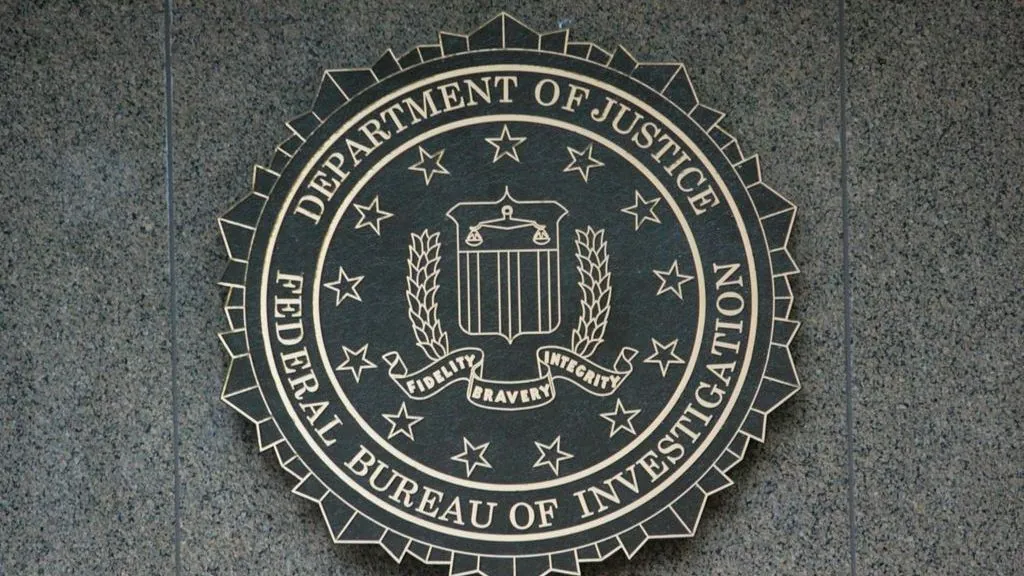
The US Department of Justice filed a civil forfeiture complaint targeting $61.2 million in frozen USDT it alleges was laundered through Binance from Iranian oil sales and linked to the IRGC. The action reflects intensifying government pressure on exchanges to prevent sanctions evasion.
Written by CoinArticle’s AI Newsroom · from 3 cited sources. How we work
Story Updates
- Updated Sep 15, 2026, 07:03 AM: Frozen USDT identified as stablecoin asset; network linked to IRGC confirmed in complaint.
The Forfeiture Action
The US Department of Justice filed a civil forfeiture complaint against $61.2 million in frozen USDT it says originated from Iranian black market oil sales and was routed through Binance accounts. According to the DOJ, the funds trace to a network linked to the Islamic Revolutionary Guard Corps and were used to finance Iranian military operations. The complaint names the cryptocurrency as proceeds derived from violations of the International Emergency Economic Powers Act and related sanctions statutes.
Enforcement and Exchange Implications
The action underscores intensifying government scrutiny of cryptocurrency exchanges' compliance with sanctions screening. By targeting assets allegedly held in Binance accounts, prosecutors are signaling that exchanges bear responsibility for detecting and blocking transactions tied to sanctioned jurisdictions and entities, even when converted into digital assets. The case highlights persistent gaps between exchange compliance infrastructure and the speed and opacity of crypto transactions.
Broader Sanctions Context
The forfeiture represents one of several recent enforcement efforts to disrupt cryptocurrency flows tied to Iranian state actors. Such cases illustrate the challenge of enforcing international sanctions in an ecosystem where assets can move across borders and between wallets with minimal friction. The DOJ's civil forfeiture approach allows the government to seize assets without necessarily proving criminal conduct, a lower evidentiary bar that has become routine in crypto enforcement actions.
Why It Matters
For Traders
Stablecoin liquidity on major exchanges may face heightened scrutiny; routing through Binance accounts signals ongoing compliance friction for USDT corridors.
For Investors
Escalating enforcement against stablecoin-mediated sanctions evasion raises compliance and regulatory risk for issuers and exchanges holding dollar-backed reserves.
For Builders
IRGC-linked enforcement demonstrates demand for enhanced on-chain screening tools that flag sanctioned networks before funds enter DEX liquidity pools.
This article is for information only and is not financial advice. Read the full disclaimer.