Geopolitical Tensions Threaten $25B in Global Economic Losses Amid Energy and Shipping Chaos
Escalating US-Israeli tensions with Iran have imposed an estimated $25 billion cost on global companies through disruptions to shipping lanes and energy markets. The instability threatens to slow global growth, raise inflation, and weaken investor confidence across sectors including crypto-adjacent markets dependent on macroeconomic stability.
Written by CoinArticle’s AI Newsroom · from 1 cited source. How we work
The Scale of Economic Disruption
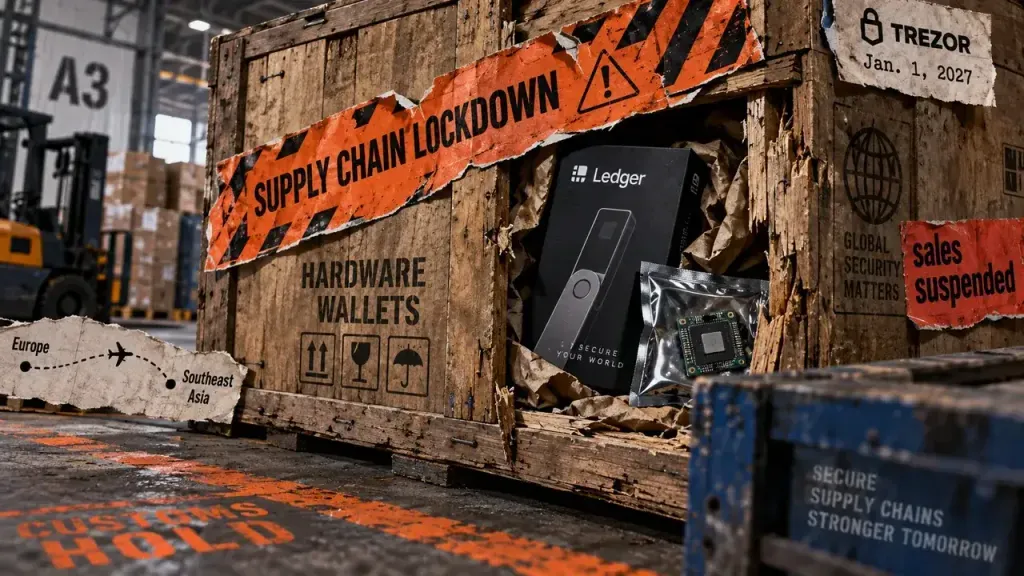
Geopolitical tensions in the Middle East have triggered an estimated $25 billion in cumulative losses for global companies, driven primarily by shipping route delays and energy price volatility. Shipping corridors through the region have faced heightened operational costs and insurance premiums, while energy markets have experienced supply-side uncertainty. The disruptions ripple across industries reliant on predictable logistics and stable fuel costs.
Downstream Effects on Growth and Inflation
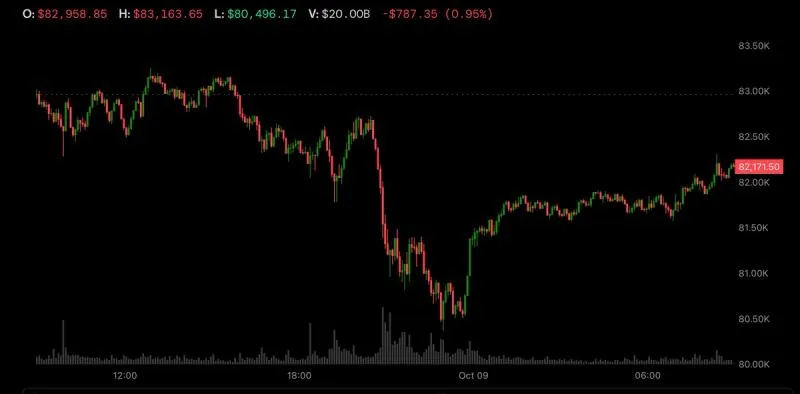
Economists warn that sustained energy and shipping instability could slow global economic growth while pushing inflation higher. Investor confidence has already shown signs of strain as portfolio managers reassess exposure to commodities and equities tied to energy-dependent supply chains. For crypto markets, which are sensitive to macroeconomic sentiment and risk appetite, this backdrop of slowing growth and rising inflation typically correlates with reduced trading activity and lower capital inflows into speculative assets.
Why It Matters
For Traders
Macro headwinds from geopolitical instability typically reduce risk appetite; watch for correlation between energy price spikes and crypto volatility over the coming weeks.
For Investors
Prolonged shipping and energy disruption could depress broader asset valuations and reduce capital allocated to growth sectors including crypto infrastructure.
For Builders
Energy cost inflation and logistics uncertainty raise operational expenses for data centers and node infrastructure; protocol teams should model higher infrastructure costs in roadmap planning.
This article is for information only and is not financial advice. Read the full disclaimer.