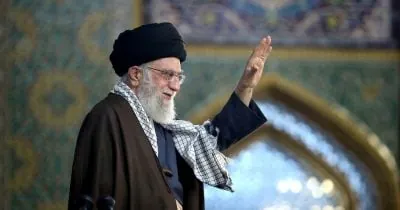
Geopolitical Tensions May Roil Energy Markets and Risk Asset Volatility
Rising tensions in the Middle East following leadership instability in Iran threaten to disrupt regional stability and global energy supplies. Market volatility and flight-to-safety flows could pressure risk assets including cryptocurrencies in the near term.
Written by CoinArticle’s AI Newsroom · from 2 cited sources. How we work
Regional Instability and Energy Supply Concerns
Heightened tensions between Iran, the United States, and Israel raise the risk of disruption to global energy markets, which historically correlates with increased volatility across risk assets. Energy prices have historically spiked during periods of geopolitical friction in the Middle East, and any sustained escalation could feed into broader inflation concerns and currency market swings.
Macro Implications for Crypto Markets
Cryptocurrency markets typically respond to macro risk-off sentiment by experiencing outflows during periods of acute geopolitical stress, though the relationship is not uniform. Bitcoin and other risk assets have historically shown both flight-to-safety pressure (selling during acute crises) and safe-haven demand (buying during currency and inflation concerns). The degree of impact depends on whether markets perceive the situation as a contained regional issue or a broader economic disruption.
Monitoring Points
Traders and investors should watch for moves in oil futures, USD strength, and equities volatility indexes for signals of broader risk-asset repricing. Any escalation that threatens Strait of Hormuz shipping lanes—through which roughly 20% of traded oil passes—would be a material catalyst for both energy and crypto markets.
Why It Matters
For Traders
Watch oil and USD moves for signals of broader risk-off sentiment that could depress crypto correlations with risk assets over the next 48-72 hours.
For Investors
Geopolitical shocks often trigger flight-to-safety flows; prolonged tension could pressure risk assets including crypto if it disrupts energy or currency markets.
For Builders
Protocol teams exposed to stablecoin reserve volatility or dependent on specific geographic user bases should monitor escalation scenarios and prepare contingency comms.
This article is for information only and is not financial advice. Read the full disclaimer.