Geopolitical Tensions Rise as Middle East Conflict Escalates
Escalating military tensions in the Middle East are raising concerns about regional stability and their potential spillover effects on global markets. Crypto markets often move on macro uncertainty, particularly when safe-haven demand shifts.
Written by CoinArticle’s AI Newsroom · from 1 cited source. How we work
Escalating Regional Conflict
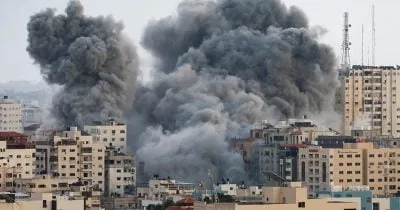
Tensions between Israel and Hezbollah have intensified following recent military actions, with Israeli officials declaring a shift toward more direct confrontation. The escalation marks a significant departure from prior periods of relative restraint and raises questions about how prolonged regional conflict could affect global economic sentiment and asset allocation.
Macro Implications for Risk Assets
Historically, geopolitical crises drive investors toward safe-haven assets—traditional safe havens like US Treasuries and gold, but also non-correlated assets like Bitcoin, which is sometimes treated as a portfolio hedge during periods of currency or political uncertainty. If regional tensions trigger broader market volatility, trading volumes and volatility premiums across crypto markets could rise substantially.
Investor Positioning
Markets are currently pricing in a degree of elevated geopolitical risk. Prolonged conflict or escalation could reduce appetite for riskier assets, including cryptocurrencies, or conversely drive demand for non-sovereign stores of value depending on how the conflict affects currency stability and capital controls in the region and globally.
Why It Matters
For Traders
Elevated geopolitical risk typically increases volatility; BTC and ETH spot prices may see wider daily swings as traders reposition for macro uncertainty.
For Investors
Regional conflict can reduce risk-on sentiment across markets and redirect capital toward non-correlated assets; monitor safe-haven demand flows into crypto over coming weeks.
For Builders
Sustained geopolitical instability may increase interest in non-custodial and cross-border financial infrastructure, but also raises regulatory uncertainty in affected regions.
This article is for information only and is not financial advice. Read the full disclaimer.