Geopolitical Tensions in Middle East Trigger Crypto Market Volatility
Escalating US-Iran tensions, including Pakistan's military support to Iran, have contributed to increased volatility across cryptocurrency markets. Risk-off sentiment tied to broader geopolitical uncertainty is reshaping trader positioning in major digital assets.
Written by CoinArticle’s AI Newsroom · from 1 cited source. How we work
Geopolitical Risk and Market Reaction
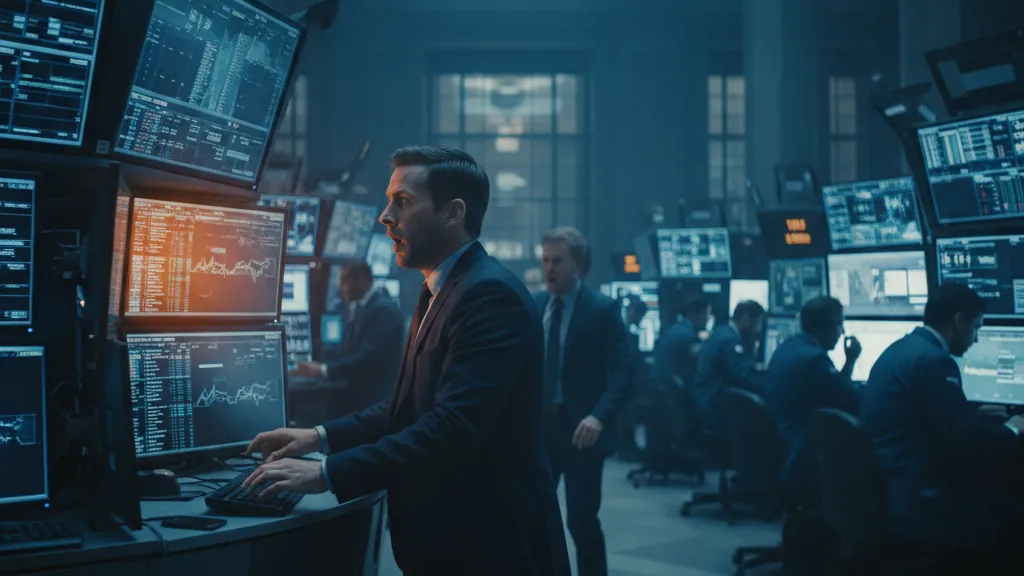
Cryptocurrency markets have experienced heightened volatility in recent days as US-Iran tensions escalated, with Pakistan reportedly sheltering Iranian military jets at Nur Khan Air Base. The move signals deepening regional conflict and has triggered a broader reassessment of geopolitical risk among traders and institutional investors. Bitcoin and Ethereum both registered notable intraday swings as investors rotated away from riskier positions.
How Macro Uncertainty Affects Crypto
Crypto markets have historically moved inversely to geopolitical stability, with investors treating digital assets as either a hedge against macro conflict or a risky asset to be sold during periods of heightened uncertainty. The current situation illustrates this tension: some traders view crypto as a potential safe-haven alternative to traditional markets, while others are liquidating positions to raise cash in anticipation of broader market disruption.
Broader Context
The relationship between geopolitical events and crypto price action remains contested among analysts. While some market participants cite macro tailwinds from US-Iran tensions as supportive for assets perceived as inflation hedges or alternatives to traditional finance, others note that acute geopolitical risk typically triggers short-term risk-off behavior across all speculative asset classes, including crypto. Trading volume and volatility metrics will likely remain elevated until tensions de-escalate.
Why It Matters
For Traders
Heightened geopolitical risk typically increases short-term volatility; positions should account for wider-than-normal intraday swings in major pairs.
For Investors
Macro uncertainty can reprrice risk premiums across all assets; multi-month portfolios may benefit from clearer regional clarity before committing new capital.
For Builders
Persistent geopolitical instability can affect staking and validator geographic concentration; infrastructure teams may need to reassess node distribution strategies.
This article is for information only and is not financial advice. Read the full disclaimer.