Geopolitical Tensions in Strait of Hormuz Could Roil Oil Markets
Rising military tensions in the Strait of Hormuz, including reported contingency plans discussed by Trump administration officials, threaten to destabilize global oil supplies. Energy price volatility typically correlates with crypto market swings, particularly among risk-on assets.
Written by CoinArticle’s AI Newsroom · from 1 cited source. How we work
Strait of Hormuz Tensions Escalate
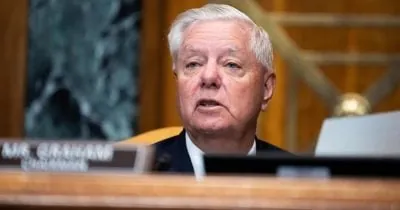
Military tensions in the Strait of Hormuz have intensified amid reported contingency planning by Trump administration figures. Senator Lindsey Graham stated that negotiations over the waterway could fail, raising the prospect of escalated U.S. military action in one of the world's most critical chokepoints for energy transport.
Oil Market Implications
The Strait of Hormuz handles roughly one-third of global seaborne oil trade. Disruption to shipping through the waterway typically triggers sharp crude price spikes, which historically correlate with flight-to-safety moves in risk assets, including cryptocurrencies. A sustained price shock in oil could reverberate through energy-dependent sectors and emerging market currencies, both of which influence crypto volatility.
Macro Context
Geopolitical risk premiums are already embedded in commodity and FX markets. If negotiations stall and military action accelerates, energy prices could climb faster than current market expectations, forcing central banks in oil-importing nations to reassess monetary policy. Such shifts often precede cryptocurrency drawdowns as investors rotate into traditional hedges or higher-yielding dollar assets.
Why It Matters
For Traders
Oil price shocks historically trigger volatility across risk assets; crude above $90/barrel often correlates with Bitcoin and ETH weakness within 48-72 hours.
For Investors
Geopolitical tail risk typically drives flight to stable stores of value; prolonged Hormuz tensions may support crypto as a hedge against currency debasement in affected regions.
For Builders
If oil disruption forces central banks into uncoordinated policy responses, stablecoin demand in emerging markets may spike while cross-border settlement pressures increase.
This article is for information only and is not financial advice. Read the full disclaimer.