Iran-Oman Waterway Deal Could Reshape Energy Markets Amid U.S. Policy Shifts
Iran and Oman are drafting a waterway agreement that could alter regional geopolitics and energy flows, with potential implications for global markets if U.S. sanctions policy shifts. The deal reflects tensions over Tehran's control of strategic shipping routes and transit fee structures.
Written by CoinArticle’s AI Newsroom · from 1 cited source. How we work
Waterway Agreement in Draft Stage
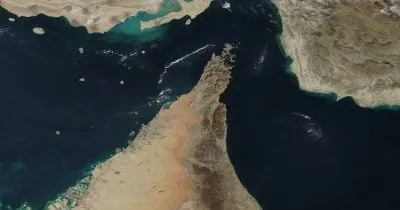
Iran and Oman are negotiating a waterway accord that would establish new terms for transit through regional waters, according to reporting on the geopolitical negotiations. The agreement addresses control and fee structures for shipping routes that have historically been contested, with Iran seeking to maintain leverage over critical maritime chokepoints and Oman balancing interests with Washington and regional partners.
Trump Administration Stance
The incoming Trump administration has signaled opposition to Tehran's unilateral control over transit routes and the fee regime associated with them. This policy position reflects broader U.S. efforts to constrain Iranian leverage in the Persian Gulf and limit revenues that flow to Tehran from shipping tolls and sanctions evasion activities.
Market and Sanctions Implications
If sanctions relief proceeds under any future policy framework, the waterway arrangement could materially affect global energy pricing and shipping costs. The outcome of the Iran-Oman negotiations may influence how freely crude oil and liquefied natural gas can flow through the region, with downstream effects on commodity markets and broader geopolitical alignments in the Gulf.
Why It Matters
For Traders
Energy and FX volatility tied to sanctions policy and geopolitical risk could amplify moves in oil futures and dollar-pegged stablecoins over the coming weeks.
For Investors
Shifts in U.S. Iran policy and sanctions architecture alter the macro backdrop for risk assets; watch for commodity inflation or deflation signals from any deal outcome.
For Builders
Stablecoin issuers and cross-border payment infrastructure should monitor sanctions enforcement changes, as they reshape settlement and liquidity flows in emerging markets.
This article is for information only and is not financial advice. Read the full disclaimer.